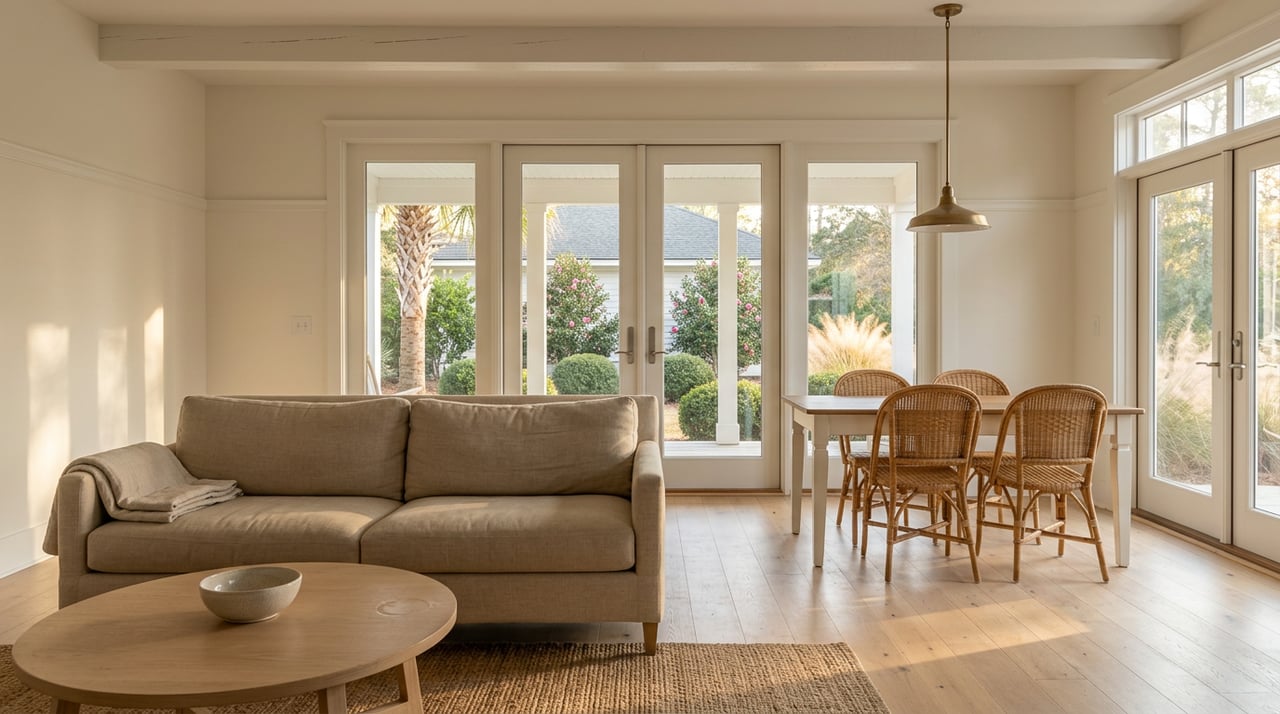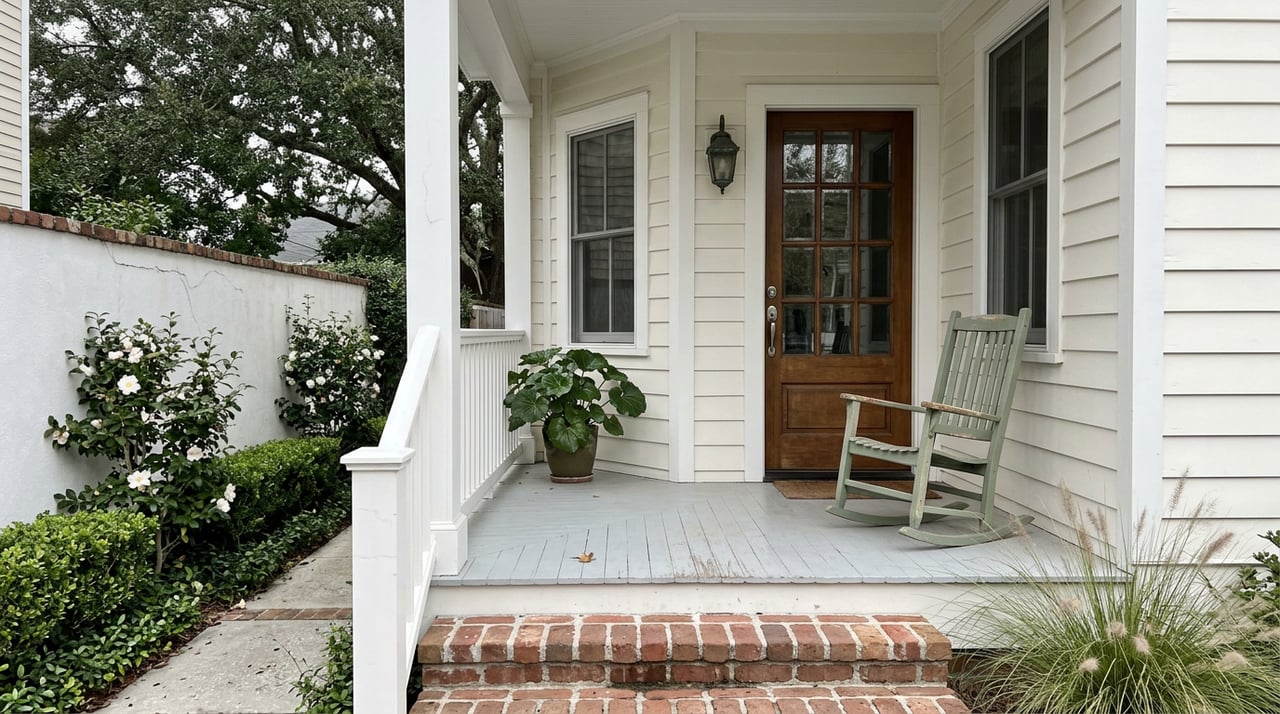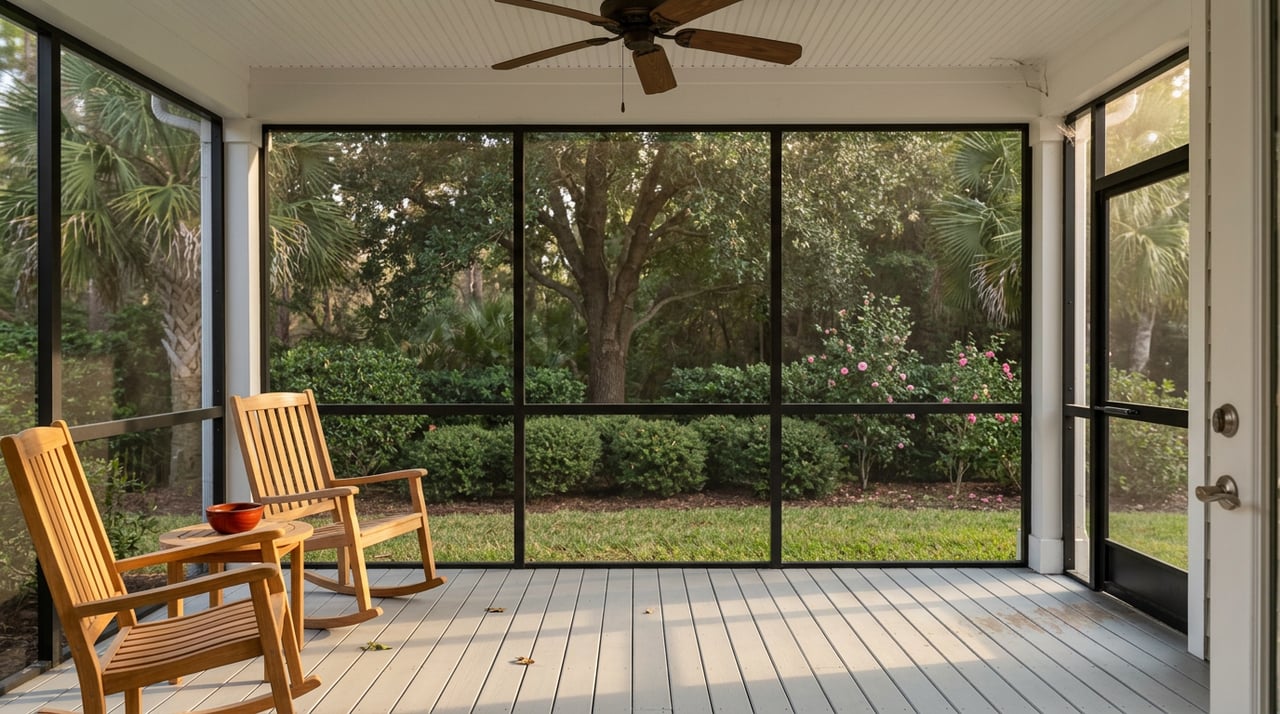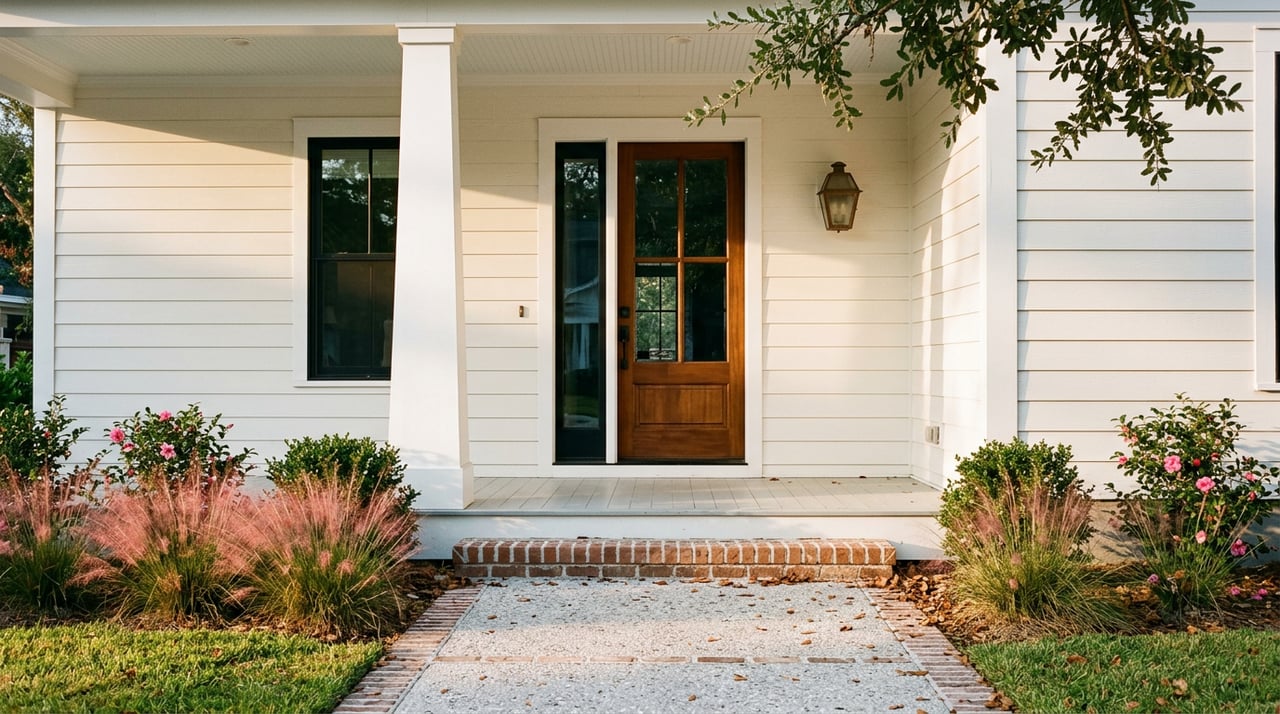
Thinking about selling in Beaufort County and wondering when to list? The coastal calendar matters more than you might think. Between spring travel, summer vacation traffic, and hurricane season, timing can shape your buyer pool, your prep plan, and your final price. In this guide, you’ll learn how seasonality works in Beaufort, how pricing and prep shift by quarter, and how to work backward 60 to 90 days to hit the right launch window. Let’s dive in.
Why timing matters in Beaufort
Spring is typically the strongest season for home sales nationwide, with buyer activity often peaking in April and May and staying solid into early summer. That pattern shows up in many coastal markets too, thanks to out-of-area visitors and seasonal residents.
Beaufort adds a coastal twist. You see strong spring and early-summer demand from visiting buyers, plus steady summer interest from second-home shoppers and investors who want short-term rental income. Fall and winter bring a smaller buyer pool but often more motivated shoppers, including relocating professionals and seasonal residents.
Local events and tourism can move the needle. Weeks with festivals or boating events can increase showing traffic. If you plan to sell, it helps to launch just before a peak visitor stretch so your home is visible while travel plans bring more buyers to town.
Seasonality by quarter
Q1: Prep and early spring
Buyer profile: Local buyers warming up their searches, plus out-of-state visitors planning spring trips. Many are organizing moves that start in late spring.
Seller strategy: Use Q1 to prepare for a spring launch. Complete repairs, plan staging, and schedule professional photos. If landscaping is dormant early in the year, time your exterior photos when grass greens up and curb appeal pops. If you can be ready by late February through May, you’ll meet the broadest buyer pool.
Pricing: Aim to be competitive for spring. Use a comparative market analysis focused on recent Beaufort spring sales to guide your list price.
Q2: Peak traffic
Buyer profile: Highest overall activity. Households targeting summer moves and second-home shoppers are active.
Seller strategy: Listing in early to mid-spring typically captures strong traffic. If you must list in June, be prepared for the start of hurricane season and plan for potential weather-related inspection questions. Keep your home show-ready and market turnkey features.
Pricing: If local inventory is low, you can price at or near the top of the market. If you want a fast contract, consider a strategy built for short days on market.
Q3: Summer-to-fall balance
Buyer profile: Vacation buyers, investors, and visitors who toured in summer and are ready to act. Demand can taper if storms threaten.
Seller strategy: Emphasize rental potential, maintenance history, and any furnished or turnkey elements. Try to schedule exterior photos and repairs outside peak storm weeks. If a storm affects schedules, communicate updates quickly to keep buyers engaged.
Pricing: Expect slightly softer competition than spring. If speed is your priority, price a bit more aggressively and highlight move-in readiness and recent maintenance.
Q4: Motivated year-end buyers
Buyer profile: Relocating professionals, retirees, and buyers who want to close before year end. Fewer casual lookers.
Seller strategy: With fewer competing listings, a well-presented property can stand out. Emphasize warm, welcoming interiors and flexible timelines. Avoid launching during major holiday weeks; early November can be a sweet spot.
Pricing: Buyers tend to be more price-sensitive. If you can wait, using Q4 to prep for a Q1 launch can often produce a stronger price than a rushed winter listing.
Coastal factors to prepare
- Hurricane season runs June 1 through November 30. Build weather buffers into your plan, especially for exterior projects and photo shoots.
- Flood and elevation documentation matters. Have an elevation certificate if available, understand the property’s flood zone, and be ready to share flood insurance information and any past storm repairs. Clear documentation reduces friction during negotiations.
- HOA and rental rules influence investor interest. Gather covenants, rental restrictions, parking guidelines, and any rental history. Provide these early to streamline buyer decisions.
- Insurance timelines can affect closings. Talk with your agent about typical local closing schedules, and confirm your closing attorney’s availability during busier seasons.
Work backward 60-90 days
If you have a target list date, use this simple plan to stay on track. Most sellers need 60 to 90 days for repairs, staging, photos, and paperwork. Some can compress to 30 days if the home is already show-ready.
Day -90 to -60: Plan and assess
- Meet with a local agent for a comparative market analysis using Beaufort’s month-by-month trends.
- Schedule a pre-listing home inspection if appropriate, especially for older systems or prior storm exposure.
- Gather elevation certificates, flood zone details, and any flood claim or repair history.
- Request HOA or condo documents, including rental rules and financials.
- Line up contractors for roof, HVAC, structural items, or exterior repairs.
- Get quotes for paint, flooring, deck or porch work, and landscaping timed to your ideal photo season.
Day -60 to -30: Repair and stage
- Complete major repairs and close permits where applicable.
- Service HVAC, clean chimneys, and change filters. Pump septic if relevant.
- Deep clean and declutter. Remove excess furniture and personal items.
- Hire a stager if using one. Decide on a look that fits coastal buyers without over-theming.
- Gather key documents: deed, survey, utility bills, warranties, manuals, and insurance summaries.
- Prepare South Carolina disclosures and seller statements with your agent’s guidance.
Day -30 to -14: Finalize details
- Schedule professional photos, video, and floor plans. For waterfront or marsh views, aim for calm weather and a tide that flatters the setting.
- Draft a listing description that highlights walkability to Beaufort’s historic core, water access, and community amenities.
- Decide on staging removal or storage plans for showings.
- Upload pre-inspection summaries or service receipts so buyers can review them quickly.
- Obtain updated insurance info for buyer reference, especially for investors.
Day -14 to -1: Launch prep
- Do a final clean and staging touch-ups.
- Set showing rules, install a lockbox, and notify neighbors or an HOA if required.
- Consider a broker preview or compliant coming-soon campaign if allowed by your MLS.
- Confirm your closing attorney’s availability and typical Beaufort County closing timelines.
List date and first 30 days
- Launch early in the week. Tuesday through Thursday often produces stronger traffic in many markets; confirm what works best locally.
- Monitor showings and feedback closely. Be ready to adjust staging or pricing if patterns emerge.
- If multiple offers are likely, set a clear review date and terms so buyers present their best proposal.
Pricing strategy by season
- Spring: Price at market or slightly above comparable recent sales when inventory is tight. Expect solid activity and some negotiation.
- Summer: If demand stays strong, you can mirror spring pricing. If inventory rises or storm concerns affect showings, lean slightly more competitive.
- Fall and winter: If you need a fast sale, price aggressively and emphasize move-in readiness. If you can wait, prep for a stronger spring window.
How to choose your launch week
If your goal is maximum visibility, align your list date to precede a local event or popular visitor week. That timing can put you in front of more out-of-area buyers. For week-of timing, early-week launches often capture more midweek and weekend showings. Resist listing right before major holidays, when travel plans can suppress traffic.
Final thoughts for Beaufort sellers
If you want the broadest buyer pool, plan for a spring launch and start prepping 60 to 90 days ahead. If you need to sell in summer or fall, focus on clean disclosures, turnkey presentation, and clear pricing. Year-end can still work if you stand out with condition, documentation, and flexible terms. Most importantly, match your strategy to your timeline and confirm the plan with current local data.
Ready to pick your target list date and map the steps? Connect with Michele Niles to schedule a white-glove consultation and build a coastal-smart plan for your sale.
FAQs
What is the best time to sell a home in Beaufort County?
- Spring often delivers the largest buyer pool and firmer pricing, with summer still active; confirm the ideal month with current Beaufort MLS data for your property type.
How does hurricane season affect a Beaufort home sale?
- Hurricane season runs June through November and can disrupt exterior work and showings; build weather buffers into your schedule and have flood and repair documentation ready.
Should a Beaufort seller get a pre-listing inspection?
- A pre-listing inspection can reduce surprises and speed negotiations, especially for coastal homes with older systems or past storm repairs.
What do second-home and investor buyers expect in Beaufort?
- They often focus on rental rules, HOA restrictions, parking, and turnkey condition; provide documents and any rental history early to help them act quickly.
How can I sell quickly during Beaufort’s slower months?
- Price competitively, highlight move-in readiness, offer flexible terms, and share inspection or service records up front to reduce buyer hesitation.