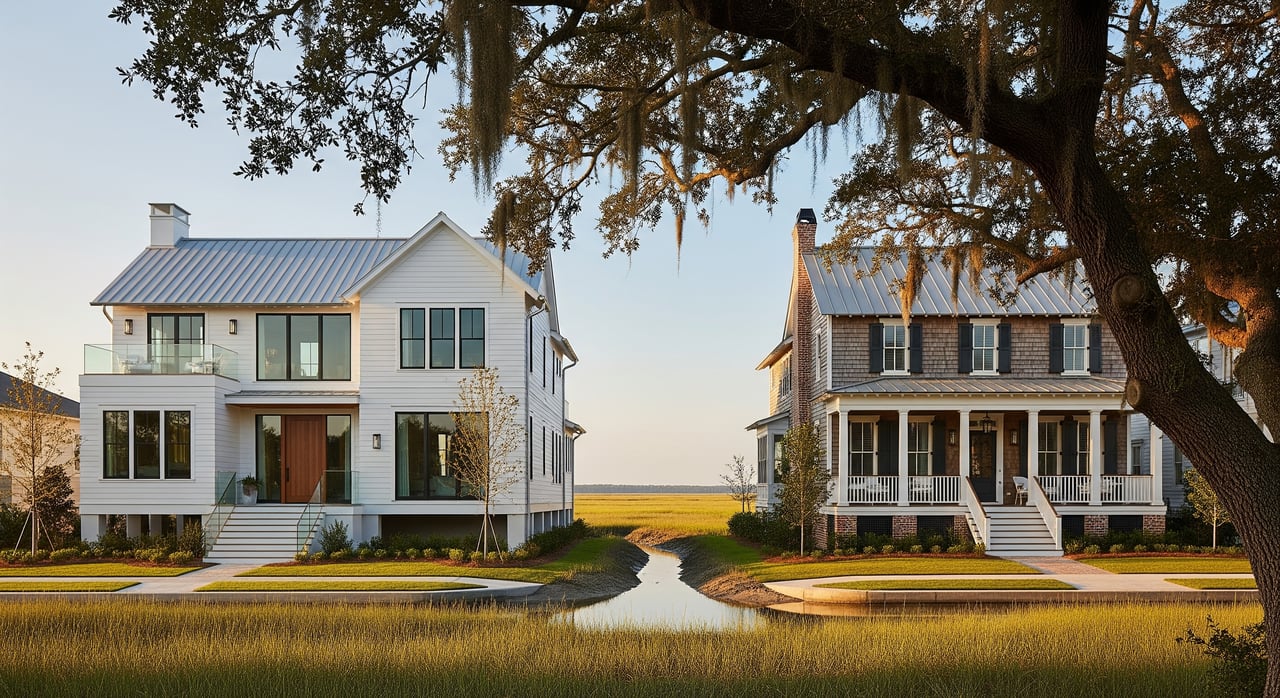
Trying to choose between a brand-new home in a master-planned Hardeeville community and a move-in-ready resale? You’re not alone. The decision often comes down to timing, inspections, warranties, incentives, and the true cost of ownership. In this guide, you’ll learn how each path works in Jasper County, what to watch in contracts, and how to protect your budget and peace of mind. Let’s dive in.
New construction timeline
New construction in a master-planned community follows a clear sequence. You pick a lot and floor plan, sign the builder’s purchase agreement, and provide a deposit. The builder then handles permits, site work, and utilities before starting foundation and framing.
From there, construction moves through rough-in for mechanicals, insulation and drywall, then finishes like cabinets, flooring, and paint. Municipal inspections happen at key steps, with a final certificate of occupancy issued before closing. Many single-family homes take about 6 to 12 months from groundbreaking, while spec homes can close sooner. Builders commonly schedule a final walk and an 11-month walk to address items under the typical 12-month warranty window.
Resale timeline and speed
Resale homes usually close faster. Once you have an accepted offer, the process often runs 30 to 60 days, depending on financing and appraisal timelines. Your inspection period and any repair negotiations can add time, especially if contractors need to complete work before closing.
If the seller is relocating or needs more time to move, build that into your planning. Resale can be ideal if you need a predictable move-in date and have limited flexibility.
Inspections that protect you
New construction inspections
Municipal inspections confirm code compliance, but they do not replace an independent inspector who works for you. For new builds, consider:
- Pre-construction or lot inspection to review grading, drainage, and easements.
- Pre-drywall inspection to check framing, electrical, plumbing, and insulation before walls close.
- Final inspection to test systems and document cosmetic items for the punch list.
- Optional structural engineer review for complex sites or unique designs.
Resale inspection lineup
Resale buyers should schedule a full home inspection and add local risk checks common in the Lowcountry:
- WDO and termite inspection for wood-destroying organisms and wood rot.
- Septic inspection and dye test if the property is not on municipal sewer.
- Well water testing if on a private well.
- Sewer scope when the home’s age or history suggests risk.
- Specialist evaluations for roofing, chimney, or foundation if flagged by your inspector.
Warranties and post-close support
Builders often provide layered coverage, though terms vary by company. A common structure includes a 1-year workmanship and materials warranty, 2-year coverage for major systems like HVAC, plumbing, and electrical, and a 10-year structural warranty. Confirm what is covered, how to file claims, and whether the warranty is transferable.
Warranties typically do not cover routine maintenance or damage from storms or flooding. Resale sellers rarely offer structural warranties, but you can purchase a third-party home warranty for appliances and systems if you want added peace of mind.
Incentives and pricing
Builder incentives can lower your upfront costs. You may see closing cost credits, mortgage rate buydowns, discounts on upgrades, lot premium concessions, or temporary HOA or amenity fee credits. Read the purchase agreement closely so you know how incentives affect the final price and appraisal.
Incentives change with market conditions and inventory. A buyer’s agent with new-build experience can help you compare offers and negotiate upgrades or credits that deliver the most value.
Financing differences
New construction financing can look different from resale. You might use a construction loan or a construction-to-permanent loan, which funds the build in draws and converts to a mortgage at completion. Lenders may require larger down payments and have specific appraisal protocols for new builds. Builders sometimes promote preferred lenders with incentive packages, so compare terms carefully.
For resale, conventional, FHA, VA, and USDA options are common. Some rural Lowcountry areas may qualify for USDA financing. Work with a local lender who understands regional appraisals, flood considerations, and HOA requirements.
True cost of ownership in Jasper County
When comparing new builds to resale, look beyond the sticker price. Factor in:
- Mortgage principal and interest.
- Property taxes and any special taxing districts.
- Homeowner’s insurance plus flood insurance if the lot sits in a mapped FEMA flood zone.
- HOA fees and master-plan amenity dues, including initiation or transfer fees.
- Utilities, where newer homes may offer efficiency advantages.
- Routine maintenance and repairs. Budgeting a steady annual amount helps, adjusted for the home’s age and systems.
- Major replacements over time, like roof, HVAC, and appliances.
- Community reserves and special assessments for common area upkeep.
- Landscaping and yard establishment, since builders often deliver basic sodding.
- Warranty expiration timing, because owner costs rise once coverage ends.
In the Lowcountry, confirm flood risk, drainage, and elevation details early. Septic systems also require ongoing maintenance and can influence how you plan future improvements.
Representation that puts you first
In South Carolina, the builder’s on-site agent represents the builder. Their job is to advance the seller’s interests and keep the contract favorable to the builder. A dedicated buyer’s agent represents you, with duties of loyalty, confidentiality, and full disclosure. Get your agency relationship in writing and establish it before you visit model homes.
Buyer agents with new construction experience can negotiate upgrades and incentives, clarify warranty language, secure independent inspection rights, and review HOA documents and CC&Rs with you. They can also help you evaluate builder lender offers against outside lenders for total cost and transparency.
Contract hot spots in new builds
When you review a builder’s purchase agreement, pay close attention to:
- Pricing and how upgrades and options are paid.
- Construction timeline, delay allowances, and remedies for substantial delays.
- Change order process and who approves costs.
- Inspection rights at pre-drywall and final stages, plus defect remedies.
- Warranty terms, transferability, and dispute resolution rules.
- Contingencies like financing or selling your current home, which some builders restrict.
- Closing cost responsibilities, including survey, recording fees, impact fees, and utility tap fees.
Hardeeville-specific factors
Hardeeville sits in the Lowcountry with coastal and river influences. Floodplain status, storm exposure, and drainage make lot selection and insurance planning important. Verify flood zone designations, elevation certificates, and any recent mitigation work.
High humidity and regional pest pressure mean WDO and termite checks should be routine. Some properties use septic rather than municipal sewer, which affects maintenance and sometimes future expansion. In master-planned communities, roads, amenities, and offsite infrastructure can be phased in over years, which can affect travel times and utility availability while the community builds out.
To validate details, use local authorities and public data. Helpful sources include Jasper County Assessor and Tax, City of Hardeeville Planning and Zoning, Jasper County GIS and the Floodplain Administrator, and state builder licensing resources.
Which path fits you
Choose new construction if
- You want modern layouts, energy-efficient systems, and lower near-term maintenance.
- You have flexibility for a 6 to 12 month timeline or can consider a spec home.
- You value warranties and are comfortable managing punch lists and inspections during the build.
Choose resale if
- You need to move soon and prefer a 30 to 60 day closing window.
- You want established landscaping and a clear view of wear and updates needed.
- You prefer communities with mature amenities and possibly lower HOA dues.
Quick checklists
Questions for new construction buyers
- Is the lot in a FEMA flood zone, and will an elevation certificate be provided?
- What are current HOA fees, what do they cover, and is there a reserve study?
- What warranty coverage is included and how are claims handled? Is it transferable?
- What is the build timeline and what remedies exist for delays?
- How is the community phased and when will amenities be delivered?
- Who represents me in negotiations and construction oversight?
- What lending options are available and what are the draw and appraisal requirements?
Questions for resale buyers
- Are there recent permits and were they closed properly? Any unpermitted work?
- What are recent utility bills and property tax figures?
- Is the home on septic or well, and are inspection records available?
- Any signs of termite activity, drainage problems, or past water intrusion?
- What does the seller disclosure reveal about prior repairs or insurance claims?
For both paths
- Verify builder licensing and complaint history with the state board.
- Obtain HOA documents and CC&Rs before you finalize the contract.
- Run a title search and purchase title insurance, in addition to your lender’s policy.
Ready to compare homes in Hardeeville?
Whether you lean new construction or resale, you do not have to navigate this alone. If you want step-by-step guidance, local checks on flood and infrastructure, and skilled negotiation on incentives and repairs, let’s talk. Schedule a white-glove consultation with Michele Niles.
FAQs
How long does a new Hardeeville build take?
- Many single-family homes take about 6 to 12 months from groundbreaking, with spec homes closing sooner and custom builds sometimes taking longer.
What inspections should I order for a Jasper County new build?
- Plan for pre-construction or lot review, a pre-drywall inspection, and a detailed final inspection, plus optional engineering for complex sites.
Do I need flood insurance in Hardeeville?
- If the property is in a FEMA-designated flood zone, your lender may require it and premiums can affect monthly costs, so verify the lot’s flood status early.
Are builder incentives worth it in new communities?
- Incentives like closing cost credits, rate buydowns, and upgrade discounts can offer strong value, but review how they impact price, appraisal, and loan terms.
Can I use my own buyer’s agent with a builder in South Carolina?
- Yes. The on-site agent represents the builder, while your buyer’s agent represents you, negotiates terms, and helps you manage inspections and documents.
How do HOA fees compare between new and resale homes?
- New master-planned communities may carry higher amenity fees, while some resale homes have lower fees or none; review budgets and reserves before you commit.