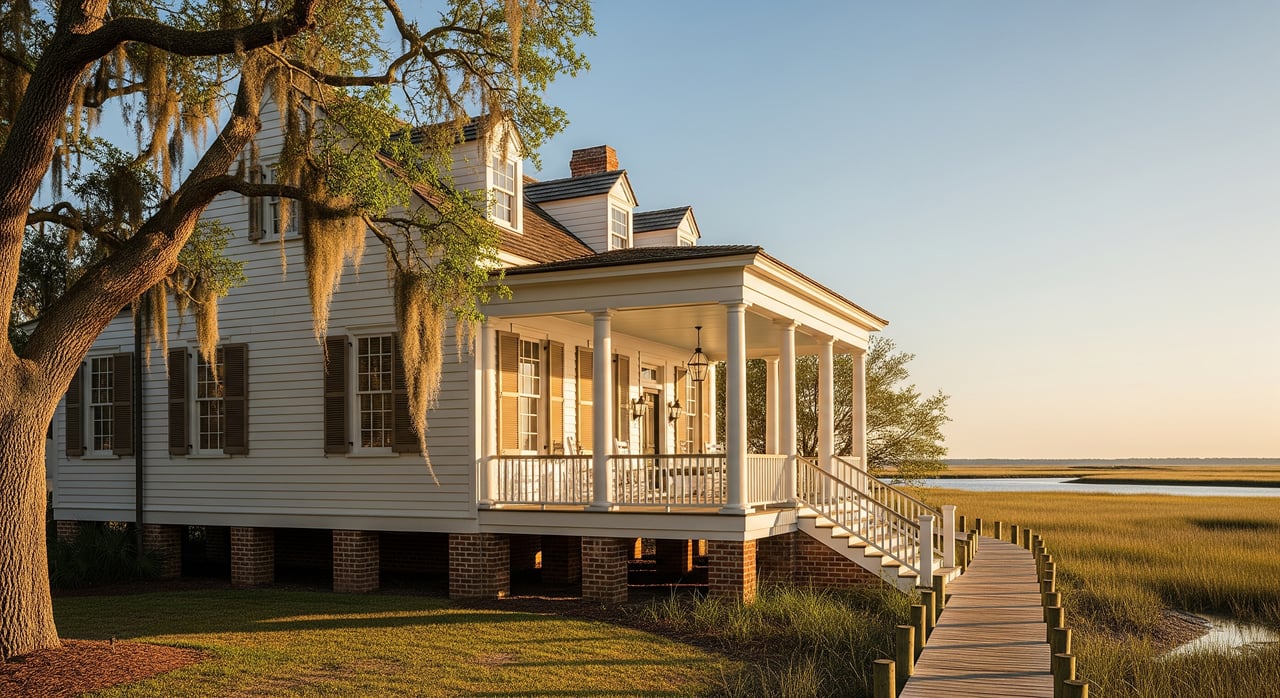
What draws you to Beaufort’s homes first: the deep porches, the tall windows, or the timeless feel that says “Lowcountry” the moment you arrive? If you are picturing sweet breezes and shaded afternoons, you are already tuned in to what these styles do best. In this guide, you will learn the key Lowcountry architectural styles you will see around Beaufort and the Sea Islands, why they work so well in our climate, and how to weigh upkeep and resale when you buy. Let’s dive in.
What defines Lowcountry style
Carolina cottages
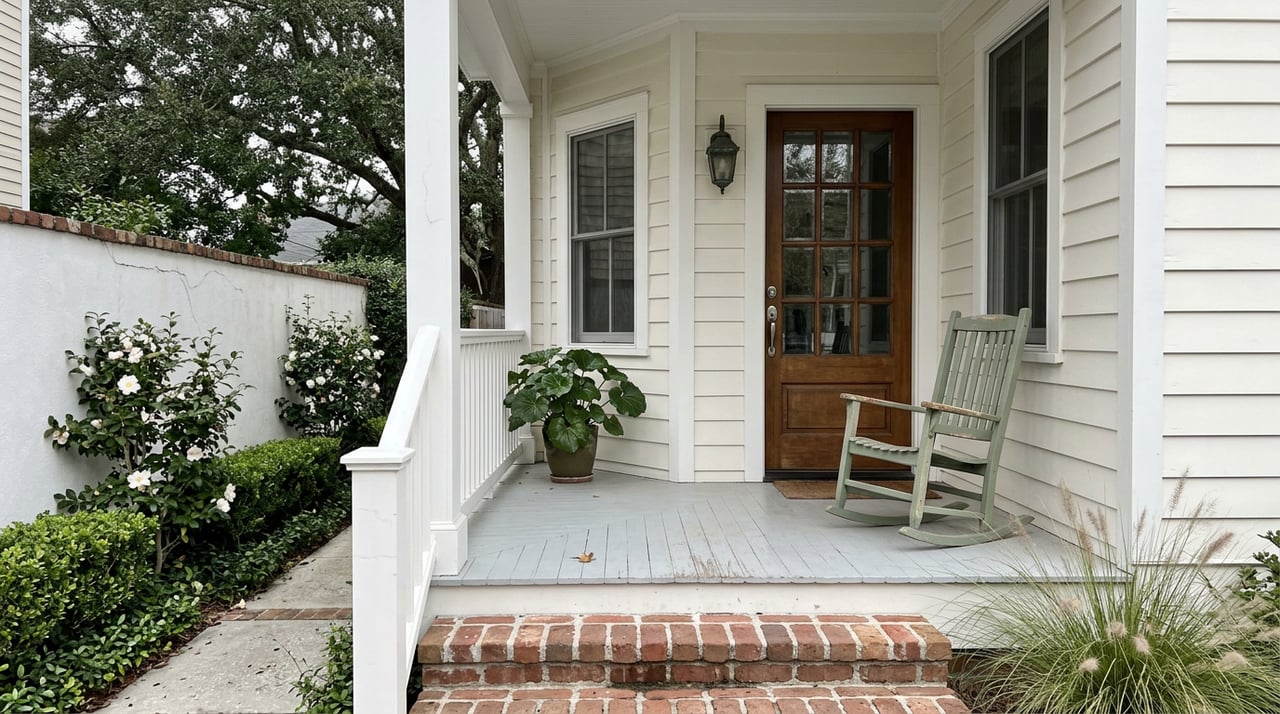
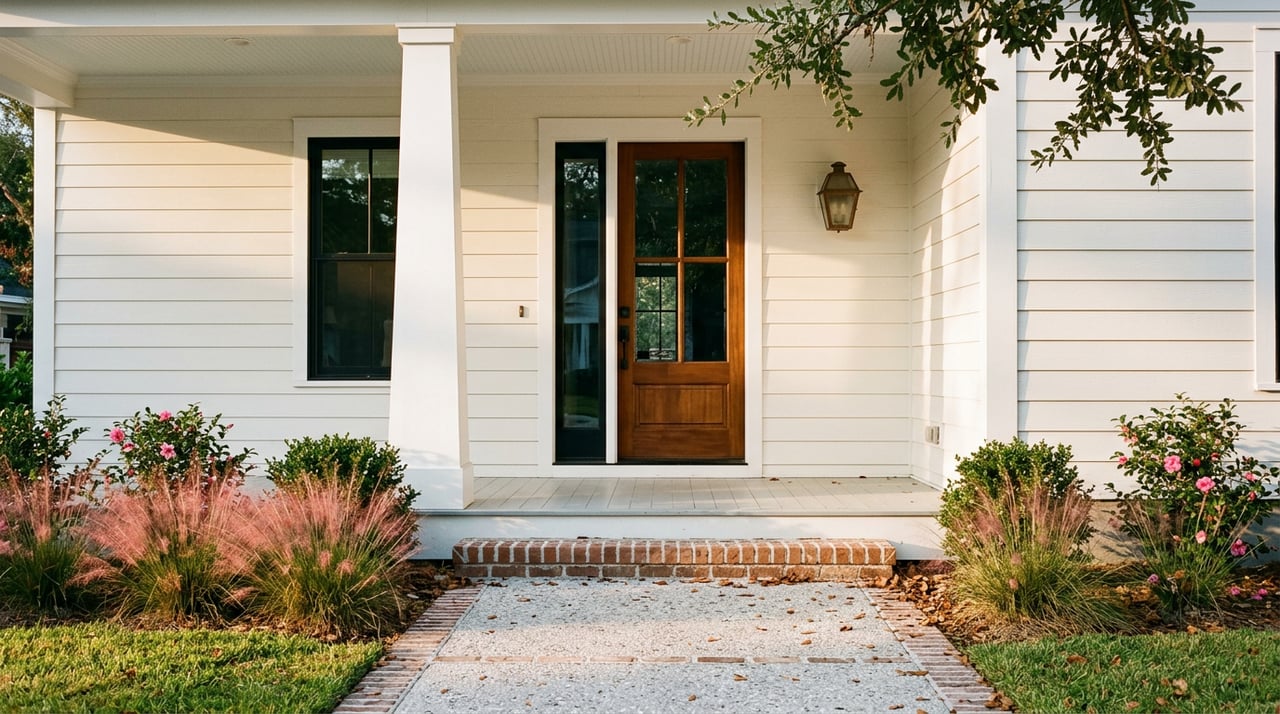
Carolina cottages, sometimes called Sea Island cottages, are compact and practical. You will often see 1 to 1½ stories, a steep gabled roof, and a full or partial front porch. Many are slightly raised on short foundations or piers and feature large windows with a simple, balanced façade. These homes were built for heat, humidity, and coastal winds, which is why they still feel so comfortable today.
Raised Lowcountry houses
Raised cottages lift living areas above grade on piers or a raised basement. Inside, you will usually find a center-hall or side-hall plan, tall ceilings, and broad porches. Elevation helps protect living spaces from tidal flooding and improves airflow beneath the floor. If flood risk is on your mind, this style can check important boxes.
Tabby: local coastal concrete
Tabby is a historic Lowcountry concrete made with lime, sand, water, and oyster shells. In Beaufort, you will see it in walls, foundations, piers, and decorative elements. It resists rot and some marine conditions and is part of the region’s heritage. If you buy a home with tabby, know that it needs specialized care to age well.
Deep porches and piazzas
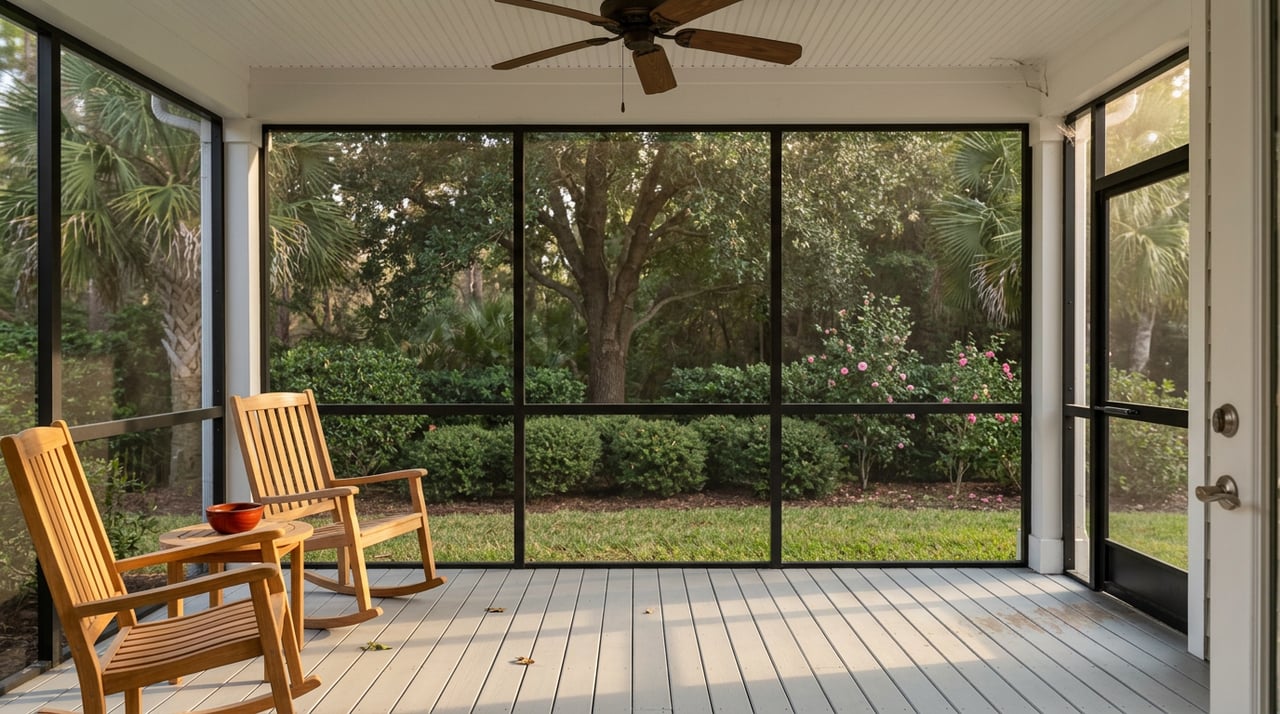
Wraparound piazzas and deep porches are more than good looks. They create wide, shaded outdoor rooms and are often placed to catch prevailing breezes. Some homes stack porches on two levels to extend shade and living space. In day-to-day life, these spaces become your favorite “rooms.”
Other hallmark features
- High ceilings and tall, operable windows for cross-breezes and the stack effect.
- Functional shutters and wide eaves to guard against sun and driving rain.
- Standing-seam metal roofs to shed heavy rain quickly.
- Traditional wood siding on many homes, with some newer builds using fiber cement for lower upkeep.
Comfort in Beaufort’s climate
Passive airflow that works
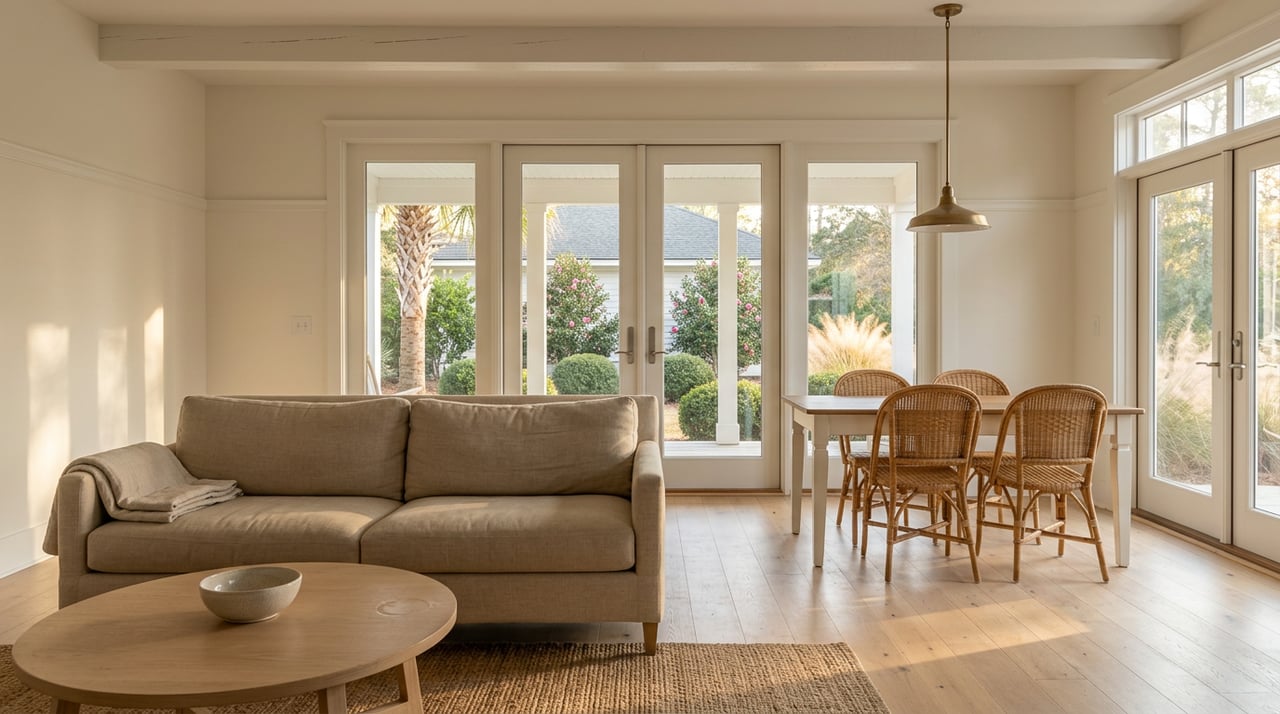
Deep porches shade walls and windows, lowering heat gain and making outdoor living pleasant. High ceilings and tall windows help warm air rise and escape, pulling cooler air in. Homes that orient porches or side elevations toward prevailing south to southeast breezes tend to feel cooler without relying only on air conditioning.
Sun and rain control
Wide overhangs, porches, and shutters limit direct sun and protect entries during summer storms. In a humid, subtropical climate, that protection prevents moisture from lingering where it does the most damage. Steep metal roofs move water off quickly and are a long-time Lowcountry favorite.
Storm and flood resilience
Raised foundations keep living areas above many tidal events. Air moving beneath an elevated floor can reduce moisture buildup and help the structure perform better in coastal storms. Porches and elevated first floors also let wind pass under the home, but modern ties and engineering are still important for code compliance.
Maintenance and materials
Wood siding and porches
Wood is authentic and easy to repair. It needs regular painting or staining, often on a 5 to 10 year cycle for exposed elements. Plan for touch-ups to porch boards, flashing, and trim where standing water or sun exposure is strongest. Termite protection and vigilant moisture control are key in coastal South Carolina.
Tabby care basics
Tabby stands up well in marine conditions, but it calls for expert repairs. Cement-heavy mortars can harm tabby by trapping moisture, while lime-based mixes are typically preferred for conservation. If a property includes tabby, ask for invoices and contractor details for any past repairs.
Metal roofs
Standing-seam metal roofs are durable and good at shedding rain. In salt-spray areas, corrosion can speed up if the wrong fasteners or coatings are used. Regular inspection and sound flashing details help you get decades of service.
Windows and shutters
Original double-hung wood windows contribute to airflow and historic character. They may be less energy efficient on their own, but restored windows with weatherstripping or compatible storm panels are common upgrades. Where shutters are functional, they add both protection and charm.
Foundations and crawlspaces
Elevated homes rely on piers or pilings that need periodic inspection. In crawlspaces, moisture control matters. Ensure ventilation, vapor barriers, and drainage work together to keep the structure dry and mold-free. Consider dehumidification strategies if conditions warrant.
Resale and lifestyle fit
Who loves what
If you value shaded outdoor living, a deep porch and tall windows will serve you well. Downsizers and second-home buyers often gravitate to compact Carolina cottages. Buyers focused on flood risk tend to prefer raised houses. Authentic details in good condition can boost appeal at resale.
Historic rules and incentives
Homes in Beaufort’s Historic District typically need approvals for visible exterior changes like siding, windows, roof materials, or porch details. Those rules protect neighborhood character and can support long-term value. Some properties may qualify for historic rehabilitation incentives, subject to program guidelines.
Insurance, appraisal, and financing
Coastal homes often carry higher wind and hurricane coverage costs, and flood insurance may be required in FEMA flood zones. Elevated homes above base flood elevation can lower flood premiums. Appraisers consider historic character, condition, and documented upgrades when comparing similar homes.
Smart modern upgrades
Look for discreet comfort and safety upgrades that respect character. Examples include mini-split HVAC, interior storm windows, attic and under-floor insulation, reinforced shutters, hurricane straps, and elevated mechanicals. Where allowed, compatible material substitutions can lower maintenance without losing the look.
Buyer checklist for Beaufort homes
- Orientation and porches: Are porches deep and placed to capture south to southeast breezes?
- Elevation: What is the finished floor elevation relative to base flood elevation? Is there an elevation certificate?
- Foundation and pilings: What materials are used, and what is the condition? Any evidence of repairs or protective coatings?
- Tabby or masonry: Is tabby present? Ask for repair documentation and the qualifications of the contractor.
- Roof and flashing: What type of metal roof, age, and condition of flashing? Is it suited to a coastal setting?
- Windows and ventilation: Are windows operable and restored? Are storms or weatherstripping in place?
- Moisture control: Condition of crawlspace, vapor barriers, and drainage. Any signs of mold or prior intrusion?
- Mechanical systems: Are HVAC units elevated and sized correctly? Is there a dehumidification plan?
- Historic district rules: What exterior work requires approval? Are past approvals documented?
- Insurance and taxes: Current homeowner and flood premiums, plus any historic tax assessments or incentives.
Bringing it all together
Lowcountry design is beautiful because it works. The porches, high ceilings, and raised floors you see across Beaufort exist to keep you comfortable, help your home withstand storms, and support long-term value when maintained well. As you tour homes, match the style to your lifestyle and your willingness for upkeep, then confirm the details with inspections and documents.
When you want a local guide who understands both the charm and the fine print, reach out. If you are weighing Carolina cottages against raised Lowcountry homes, or you need help navigating historic approvals, connect with Michele Niles to schedule a white-glove consultation tailored to your goals.
FAQs
What are the main Lowcountry styles in Beaufort?
- You will most often see Carolina cottages, raised Lowcountry houses, and homes with deep wraparound porches. Many properties also feature tabby elements.
How do porches and tall windows improve comfort?
- Deep porches provide shade, and tall, operable windows promote cross-breezes and the stack effect, which can make interiors cooler in summer.
Are raised homes better for flood risk?
- Elevating living areas above grade is a traditional way to reduce flood risk and can help lower flood insurance costs when above base flood elevation.
What should I know about tabby maintenance?
- Tabby is durable but requires specialized repairs. Ask for documentation and avoid cement-heavy fixes without expert guidance.
How often will wood exteriors need attention?
- Exposed wood often needs painting or staining every 5 to 10 years, with spot repairs for porch boards, trim, and flashing as needed.
Do historic district rules limit renovations?
- Exterior changes visible from the street typically require approval, while interior updates are usually flexible. Factor time for permits into your plans.