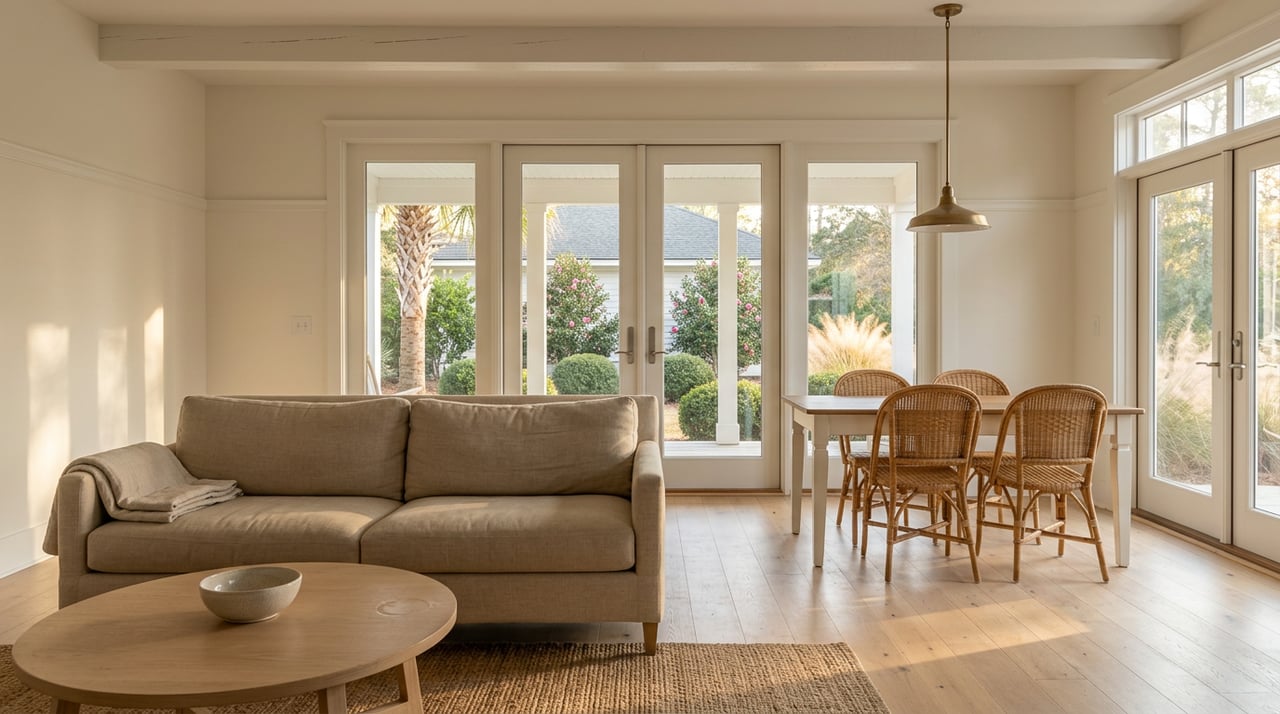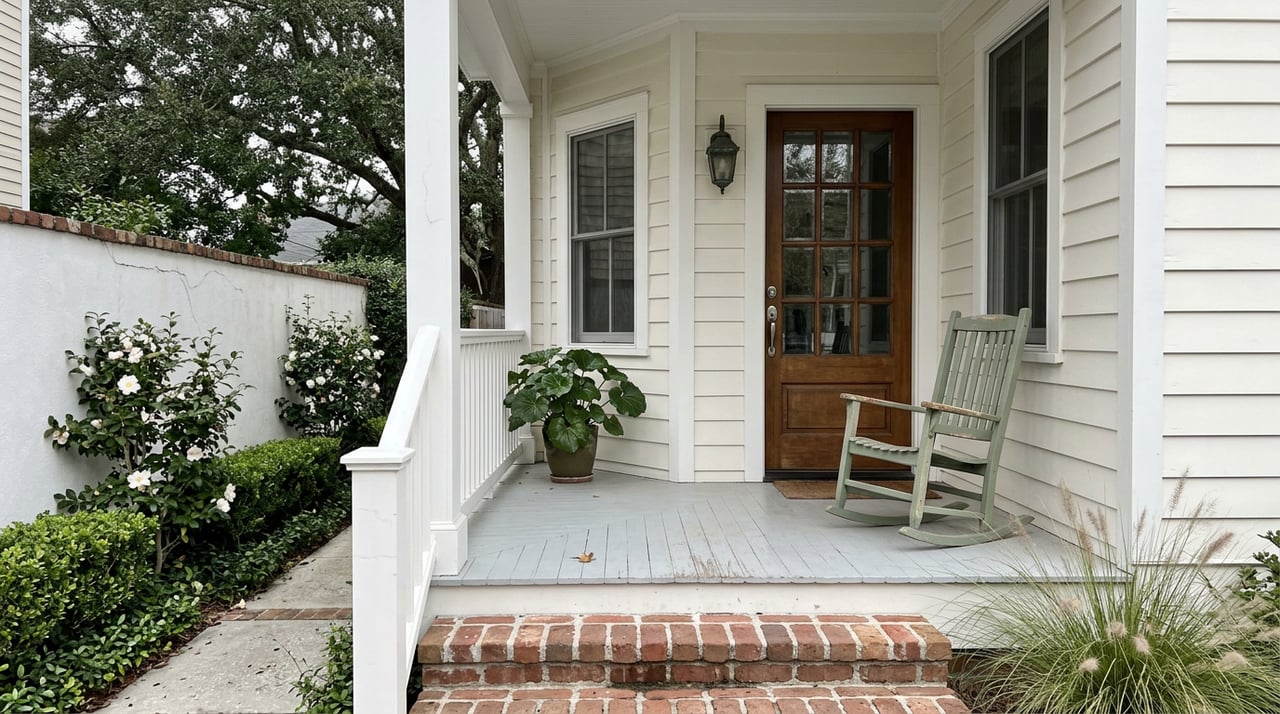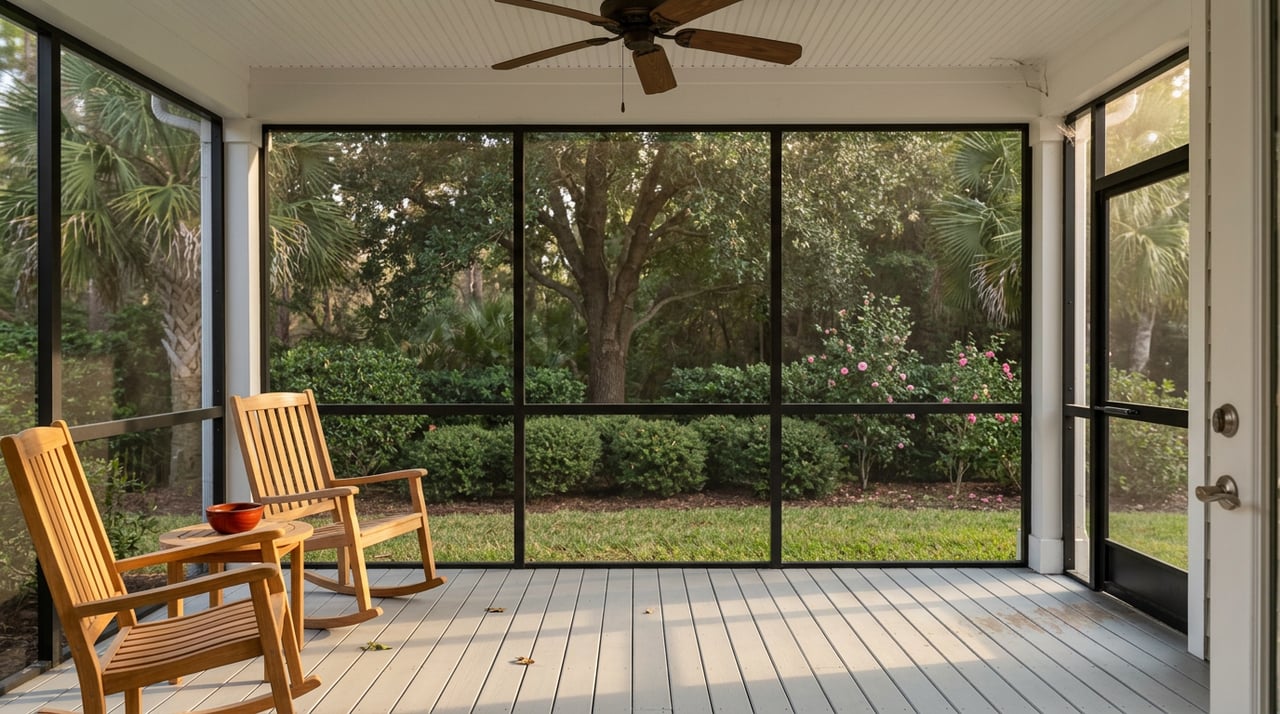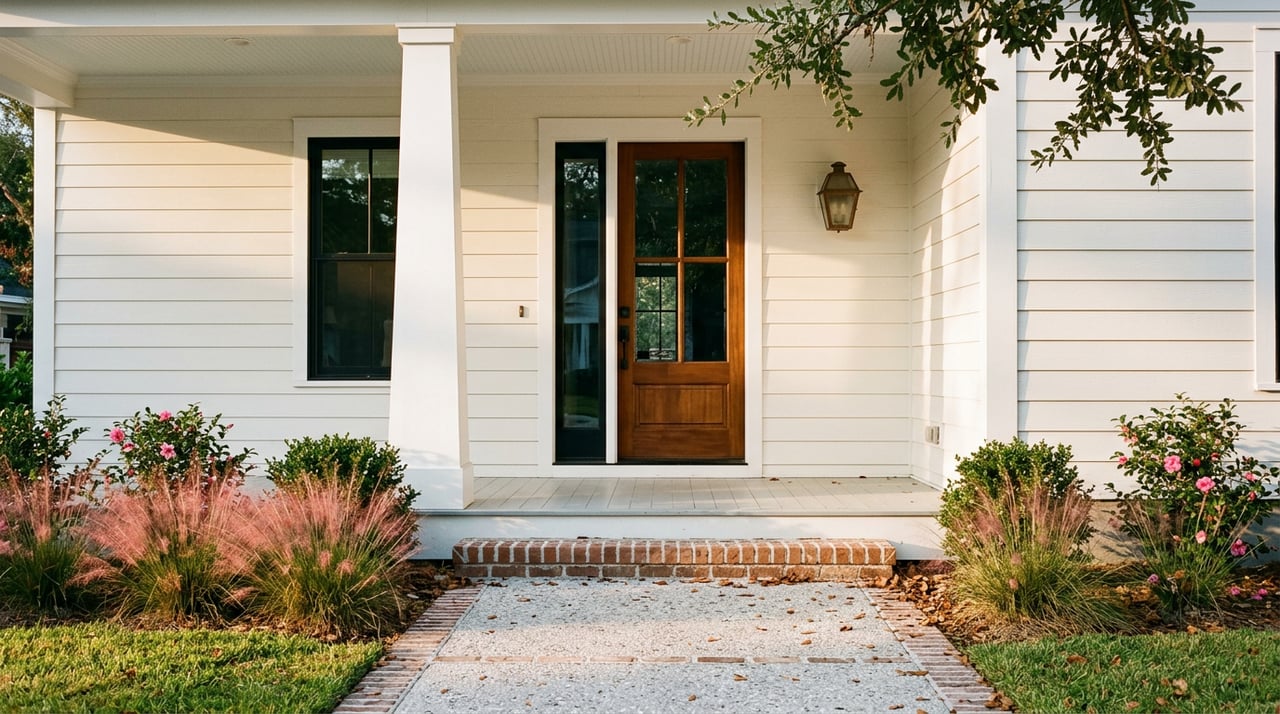
Online estimates miss what makes Bluffton unique. If you plan to sell, you deserve a precise home value grounded in your neighborhood’s real demand, not a generic ZIP code average. In this guide, you will see how a local, step-by-step process uses micro-market comps, absorption rates, and condition adjustments to price with confidence and position your home for multiple offers. Let’s dive in.
Why Bluffton pricing needs local insight
Bluffton is a collection of micro-markets, each with its own buyer pool and pricing dynamics. Old Town Bluffton rewards charm and walkability. Gated and golf communities like Palmetto Bluff, Colleton River, Moss Creek, and Hampton Lake carry amenity premiums and different HOA costs. Newer subdivisions along the Buckwalter and Bluffton Parkway corridors attract commuters and local professionals.
Waterfront and marsh-view properties follow a very different curve from inland homes. Elevation, flood zone, and insurability can shift both value and the buyer pool. Seasonality also matters. Activity often rises in spring and fall, with winter interest from second-home buyers. A precise value must account for these micro-market realities.
How a precise value is built
Here is the pricing framework used to deliver a clear, defensible value for your Bluffton property.
Define your micro-market
First, draw a tight circle around where your real buyers shop. That usually means the same neighborhood or gated community, sometimes the same school zone and product type. Waterfront is not compared with non-waterfront. A 3-bedroom townhome is not compared with a 3-bedroom single-family on half an acre. Map boundaries and drive times matter more than county-wide data.
Select the right comps
For active submarkets, the focus is on the last 3 to 6 months of closed sales. If the segment is slower or the property is unique, the window can expand to 6 to 12 months. Aim for 3 to 6 closed sales that closely match bed and bath count, square footage, lot type, age, and amenities. Then layer in 2 to 3 pending and 2 to 3 active listings to read current demand and price sensitivity.
Geographic proximity is key. Start with the same community. If you extend beyond it for rare features, document why. Closed sales anchor the value, while pendings and actives signal where buyers pause or pounce today.
Convert comps into a value opinion
Two methods guide the adjustment process:
- Dollar-per-square-foot comparison: Useful in homogeneous neighborhoods. Compare price per foot among matched homes, then adjust for features or lot premiums.
- Paired-sale adjustments: Compare similar homes where a single feature differs, such as a pool or a dock. Use the observed price difference to assign a dollar value to that feature.
Common adjustments include:
- Size and layout: Square footage and functional floor plan differences.
- Lot type and size: Marsh, deep water, interior lot, and frontage premiums when data supports it.
- Condition and updates: Kitchens, baths, flooring, and overall finish level. Dated homes often show a market discount in the same community.
- Age and systems: Roof, HVAC, plumbing, and electrical.
- Amenities: Pool, garage capacity, dock or boat lift, elevator, premium view.
- Time: If comps fall outside the primary window, apply a market time adjustment based on recent trend.
Every adjustment should be conservative and clear. The result is a value range, not a single number, until buyer activity confirms the target.
Absorption rate and months of inventory
Pricing should reflect supply and demand in your exact segment. Two simple metrics make that visible:
- Monthly absorption rate equals the number of homes sold per month divided by available listings.
- Months of inventory equals active listings divided by average monthly sales.
As a rule of thumb, less than 3 months of inventory signals a seller’s market where multiple offers are more likely. Three to six months is balanced. More than 6 months favors buyers. These metrics work best at the micro-market level, such as your neighborhood or product type, because county-wide numbers can hide local differences.
Condition and repair adjustments
Condition is often the tie-breaker. A pre-listing inspection or contractor review helps price precisely and avoid surprises later. There are two practical ways to account for condition:
- Repair-cost subtraction: Estimate immediate repairs and subtract that amount from the target price.
- Market penalty: If updated homes in your community sell for a consistent premium, apply a measured discount to dated homes based on those outcomes.
Buyers discount structural or deferred maintenance more than cosmetic items. Documenting these differences sets clear expectations and supports your price.
From value range to smart list price
Once the adjusted comps and absorption rate are clear, you receive a low, likely, and high value range with a recommended list price tied to your goals.
- If speed matters, list just under the likely value to increase showings and spark competition.
- If maximizing price is the priority and time is flexible, list at the top of the range with strong marketing and patience.
- To invite multiple offers, use a slight under-list strategy where the micro-market shows tight supply and strong demand.
You also receive an estimated net sheet so you can see your expected proceeds after typical costs.
Position your Bluffton home for multiple offers
Multiple offers result from pricing, presentation, and process. Here is the plan that aligns all three.
Pricing strategies that fit the market
- Market-price listing: Price at the likely value for solid traffic and room to negotiate.
- Slight under-listing: Two to six percent under market can trigger more showings and strong offers in low-inventory segments, such as popular gated communities or well-located waterfront.
- Over-listing: Use only when you can wait and the trend is clearly rising. It risks longer days on market and fewer offers.
- Price laddering: Position just below key search thresholds to appear in more buyer searches.
Marketing and showings that drive demand
- Professional photography, floor plans, and virtual tours. Add drone and twilight shots for waterfront or view properties.
- Targeted pre-marketing to local buyer agents and within the community to build early momentum.
- Clear offer instructions and, when appropriate, an offer review date to set expectations and manage timing. Always follow local MLS rules.
Fair offer collection and evaluation
- Use an offer deadline to compare terms side by side. Ask for highest and best when warranted.
- Evaluate price, financing strength, contingencies, earnest money, and timeline. Your true net and certainty matter more than headline price.
- Favor clear terms, such as shorter inspection windows or larger earnest money, if they align with your goals.
Contract tools you may see
- Escalation clauses can lift price up to a cap when competing offers exist. They require precise language and careful documentation.
- Best-and-final requests give all buyers a fair chance to present their strongest terms.
- Non-refundable earnest money or short inspection periods can increase certainty but may narrow the buyer pool.
Compliance and transparency
Follow South Carolina disclosure requirements and your local MLS rules for status changes, offer handling, and any “Coming Soon” marketing. Consistent, transparent treatment of all buyers is essential.
Listing-readiness checklist
A focused prep plan helps you win on day one. Use this quick checklist to get market-ready.
Exterior and curb appeal
- Roof, gutters, and visible fascia repairs
- Fresh mulch, trimmed landscaping, and pressure washing
- Paint touch-ups and clean windows and doors
- Driveway, walkway, and front entry refresh
Interior updates that show well
- Declutter, depersonalize, and deep clean
- Neutral paint for main living areas as needed
- Repair sticky doors, scuffed trim, and dated fixtures
- Light staging to highlight space and natural light
Waterfront or amenity-specific items
- Dock and lift safety checks, seawall condition, and permits on hand
- Pool equipment service and safety features verified
Inspections and documents to gather
- Pre-listing inspection or systems check for roof, HVAC, plumbing, and electrical
- HOA documents, fees, covenants, and any recent assessment notices
- Flood elevation certificate, FEMA flood zone information, and recent flood insurance premium if available
- Termite or wood-destroying insect report common in coastal markets
- Tax history, permits for renovations, warranties, and recent utility history
What you receive in a personalized valuation
Your personalized Bluffton valuation and listing-readiness review is a complete package designed to move you from estimate to execution.
- Neighborhood-level CMA with 3 to 6 adjusted closed comps plus relevant pending and active listings
- Absorption rate and months of inventory for your exact micro-market and property type
- Condition adjustment summary with estimated dollar amounts and clear justification
- Recommended list price with a strategy that fits your goal, including a multiple-offer plan when appropriate
- Marketing plan highlights, including photography, agent outreach, and timeline
- Estimated seller net proceeds worksheet based on the recommended list price
- Timeline recommendation that considers seasonality and current absorption trends
Typical turnaround: 24 to 48 hours for a basic CMA and 3 to 5 days for a full in-person review and readiness report.
Ready to know your number?
If you want a precise Bluffton home value and a clear path to market, you are in the right place. Request a tailored review that respects your micro-market, your home’s condition, and your timing. Schedule a white-glove consultation with Michele Niles to get your personalized valuation and multiple-offer strategy.
FAQs
How accurate are online home value estimates for Bluffton?
- They are a starting point, but they often miss micro-market differences, flood risk, HOA impacts, and condition. Validate with MLS comps, adjustments, and absorption data.
Does a flood zone designation lower Bluffton home value?
- It depends on the specific flood zone, elevation, and insurability. Higher elevation can command a premium while required flood coverage can reduce demand. Get estimates during valuation.
How many comparable sales should you use in Bluffton?
- Aim for 3 to 6 recent closed sales that closely match your home, plus a few pending and active listings to read current demand. Expand the window if the property is unique.
What is the difference between list price and market value in Bluffton?
- Market value is supported by adjusted comparable sales and current demand. List price is a strategy to attract buyers and achieve your goals within that market reality.
Should you get a pre-listing inspection in Bluffton?
- Yes, it often helps you price accurately, plan repairs, and avoid escrow surprises. It can support faster closings and cleaner negotiations, especially in competitive segments.