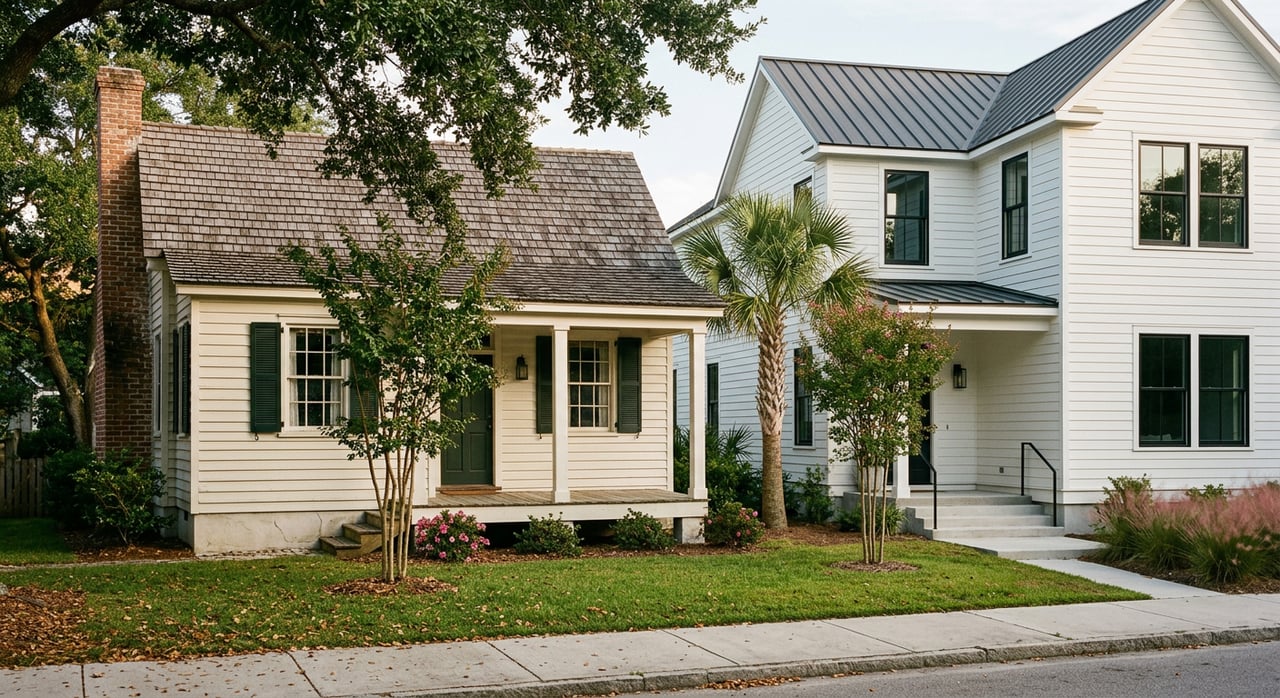
Torn between a porched, story-filled home downtown and a crisp, low-maintenance newer build? You are not alone. In Beaufort, both options are compelling, yet they live very differently once you factor in rules, maintenance, flood risk, and total cost of ownership. In this guide, you will learn the real tradeoffs, what to check before you buy, and how to budget with confidence. Let’s dive in.
How Beaufort homes differ
Historic district character
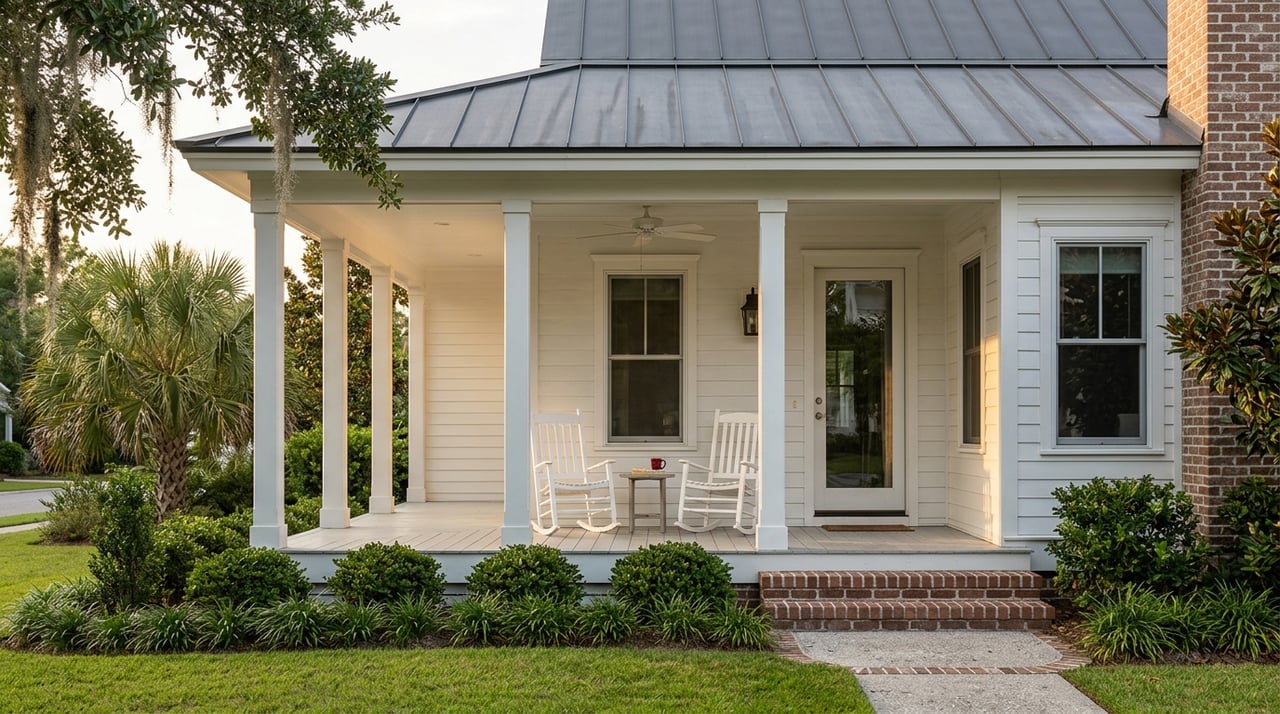
Beaufort’s historic homes reflect classic Lowcountry style: raised foundations, broad porches, and architectural influences like Greek Revival, Federal, and Victorian. You will see details that invite a slower, porch-centered lifestyle and a strong connection to the street. For an overview of what “in the Beaufort style” looks like, review the Historic Beaufort Foundation’s description of local residential architecture and materials in their guidance on Beaufort’s architectural character.
Living in the historic district often means walkability to shops, dining, and the waterfront. It also means your exterior changes are regulated. That oversight protects neighborhood character, but it adds steps, timelines, and design constraints you should understand before you buy.
Newer builds around Beaufort
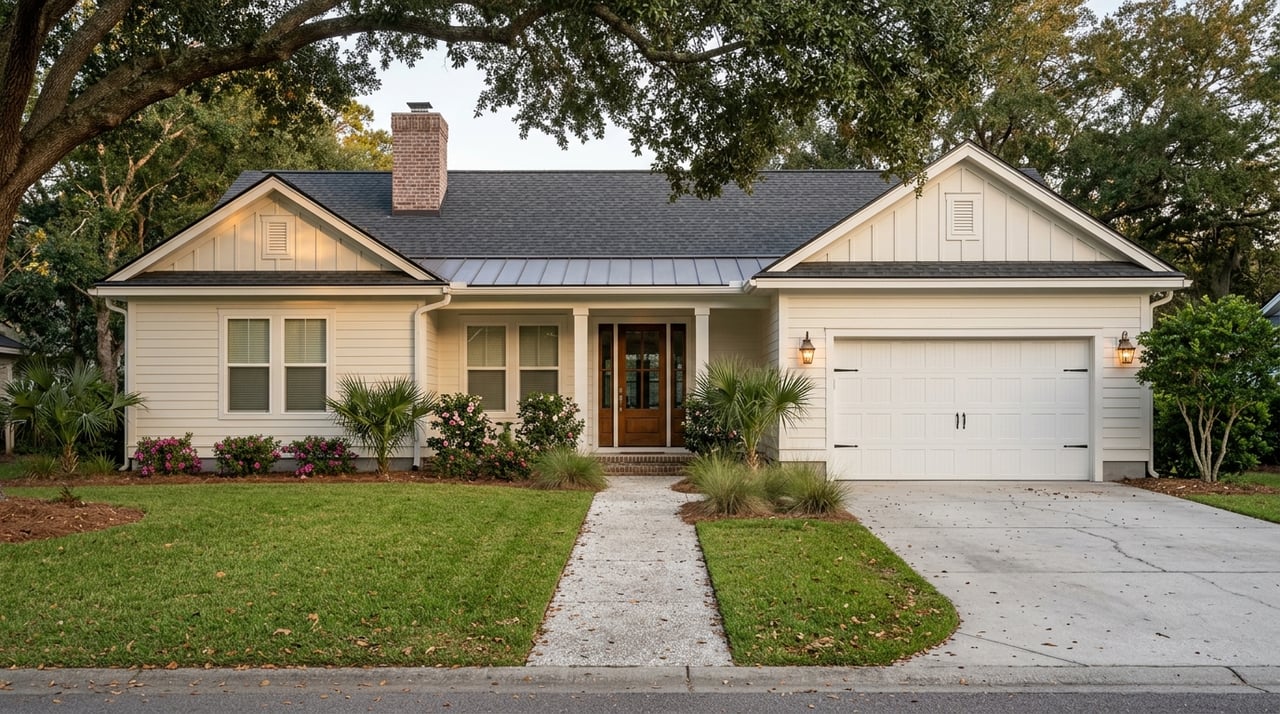
Most newer homes sit outside the tight downtown grid, including parts of Lady’s Island and nearby communities in and around Beaufort County. You typically gain modern systems, energy-minded construction, and often a builder warranty. The tradeoff is distance from downtown amenities and, in some areas, a more suburban setting.
If you value predictability and lower near-term upkeep, newer construction can be a strong fit. Just remember that even new homes in coastal South Carolina must be evaluated for elevation, wind, and water.
What rules affect your project
Historic Review Board basics
If the property sits in Beaufort’s Historic District, most exterior work requires a Certificate of Appropriateness. The City’s checklist explains submittals, review stages, and what triggers approval, like window or roof changes, porch alterations, additions, and new construction. Expect a concept stage, then preliminary and final review. Build in lead time for meetings and materials approvals. Review the City’s COA and Historic Review Board guidance before you write an offer if you plan to renovate.
Interior updates that do not change the exterior are generally simpler. Still, confirm permit needs with the City and keep documentation, especially if prior owners completed exterior work.
Incentives that change the math
South Carolina offers an owner-occupied State Historic Rehabilitation Income Tax Credit that can offset a portion of qualified rehabilitation costs. Locally, jurisdictions may use the “Bailey Bill,” a special assessment that can fix the taxable value attributable to rehab for a set period. Both programs require applications before work begins and compliance with preservation standards. Start with the State Historic Preservation Office’s page for homeowner tax incentives and steps.
If you plan energy upgrades, the National Park Service recommends reversible, fabric-friendly improvements like attic insulation, storm windows, and targeted air sealing. Explore their guidance on energy efficiency that respects historic materials and discuss options with your contractor.
Systems, safety, and insurance
Why newer builds feel easier
Modern construction in South Carolina follows adopted residential codes that update periodically to reflect current wind, structural, and energy provisions. That can translate to tighter envelopes, current electrical and plumbing, and hurricane-conscious framing and roof tie-downs. For an overview of state code adoption, review this summary of South Carolina’s building and residential codes.
Many builders back their homes with multi-tier warranties, commonly one year for workmanship, two years for mechanicals, and 10 years for structural components. Always confirm coverage in writing and include warranty terms in your negotiations. This primer on typical 1-2-10 home warranties explains what is often included.
Flood, wind, and elevation
Beaufort’s coastal setting brings flood and wind considerations to every home, old or new. The City outlines permit thresholds, elevation requirements, and floodplain basics on its Flood Awareness page. The City’s Flood Vulnerability study highlights downtown and nearby neighborhoods that face tidal flooding and storm surge risk. Review the Flood Vulnerability Report to understand how sea levels and heavy rain events may affect certain areas over time.
Before you buy, check the property’s FEMA flood map status, ask for existing elevation certificates, and speak with an insurance agent for sample premiums. You can search addresses on FEMA’s Flood Map Service Center.
Termites and older materials
Formosan subterranean termites are established in coastal South Carolina, including Beaufort County. Order the standard CL-100 wood infestation report during due diligence and ask about existing termite bonds or treatments. Clemson’s HGIC offers a clear overview of Formosan termite risks and control.
If the home predates 1978, build in lead-based paint disclosures and consider targeted testing, especially before invasive work. For older siding, plaster, or flooring, ask your inspector or contractor about potential asbestos-containing materials and testing protocols.
Costs and maintenance you can expect
Every home needs care. A widely used rule of thumb is to set aside about 1 to 4 percent of the home’s value per year for maintenance. Historic homes often sit near the upper end, while newer builds can be lower in the first years. Read this overview of annual home maintenance budgeting to translate the guideline into a dollar reserve that fits your price point.
Historic homes may need periodic exterior painting, porch and stair upkeep, wood window and sash repair, and careful moisture management. When features are significant, repair instead of replace can preserve character and, over time, be cost effective. Newer homes bring modern HVAC, insulation, and engineered systems that reduce early maintenance, yet coastal salt and humidity still wear on fasteners, finishes, and hardware.
Insurance and deductibles are recurring costs for both options. Flood coverage is often a separate policy. If the property sits in a flood zone, work with your lender and insurance agent early to avoid surprises.
A simple decision framework
Use these quick cues to align your lifestyle with the right property type:
- Choose a historic home if you want walkable charm, porch life, and architectural detail, and you are comfortable with exterior review rules and a higher maintenance rhythm.
- Choose a newer build if you want modern systems, layered warranties, and a lower near-term maintenance profile, and you are fine trading some proximity to downtown.
If you could be happy either way, prioritize flood risk, elevation, and insurance quotes, then compare projected 5-year maintenance and renovation plans for your top candidates.
Buyer checklist for Beaufort
Use this step-by-step list as you shop:
- Confirm flood status and likely insurance: run the address on FEMA’s Flood Map Service Center, request any elevation certificate from the seller, and ask an insurer for sample premiums.
- Historic-district due diligence: if the home is in the district, request copies of prior Certificates of Appropriateness, permits, and any conditions. Read the City’s COA checklist to plan timelines.
- Order targeted inspections: general home inspection plus CL-100 termite report, sewer lateral camera for older lines, structural engineer if foundations are suspect, and lead or asbestos testing for pre-1978 materials. Clemson’s guide to Formosan termites explains why bonds matter.
- Ask about warranties and upgrades: for new construction, get the builder warranty in writing and confirm start dates. For older homes, ask for receipts and permits for roof, HVAC, electrical, plumbing, and window work. Review how a typical 1-2-10 warranty works so you know what to request.
- Budget with intent: set aside 1 to 4 percent of value annually for maintenance and create a separate renovation reserve for planned upgrades. Use local contractor quotes for historic fabric work before you commit.
- Explore incentives early: if you plan a certified rehab on a qualifying owner-occupied home, review the SHPO program for homeowner tax credits. Ask the City about any local special assessment options and confirm all applications are filed before work begins.
Timeline and process tips
What slows projects down
- Exterior changes in the historic district: plan for review stages and monthly meeting cycles. Submit complete materials and samples to reduce back-and-forth.
- Specialty trades for period-correct work: plaster, millwork, and window repair can require lead times, which may stretch schedules.
- Flood and elevation requirements: permits and design adjustments may be required in mapped flood zones. Check the City’s Flood Awareness page early.
Smart negotiation points
- Historic homes: ask for documentation of approved exterior work, any open permits, termite bond transfer, and recent system upgrades. Use that record to evaluate value and risk.
- Newer builds: negotiate warranty terms, punch-list timelines, and builder responsibilities for grading and drainage. Confirm code-compliant hurricane ties and roofing details.
- Both: request insurance quotes during due diligence, not after. If flood coverage is required, compare options and deductible structures.
Bringing it all together
The right Beaufort home comes down to your rhythm and risk tolerance. If you love the romance of a raised cottage and evenings on a front porch, the historic district can be deeply rewarding if you plan for reviews and maintenance. If you prefer modern comfort and fewer surprises in the early years, a newer build can deliver peace of mind with code-level resilience and warranties.
When you are ready to compare real properties, align the facts: flood status, inspection results, warranty terms, and a 5-year maintenance and upgrade plan. If you want a steady, white-glove process from first tour to closing, schedule a conversation with Michele Niles.
FAQs
What is the Historic Review Board and how does it affect me?
- If a home is in Beaufort’s Historic District, most exterior changes require HRB approval through a Certificate of Appropriateness. Review the City’s COA checklist to understand submittals and timelines.
Can I update a kitchen in a historic Beaufort home?
- Yes. Interior updates that do not alter exterior character are usually simpler. Exterior work often needs HRB review, so plan ahead using the City’s COA guidance.
Do newer Beaufort homes handle storms better?
- Newer homes are built to current state-adopted codes that address wind and structural safety, which can improve resilience. Confirm specific standards with your builder and see the overview of South Carolina’s codes.
Will a historic home cost more to maintain?
- Often yes. Plan about 1 to 4 percent of the home’s value each year for maintenance, with historic homes tending toward the higher end. See this maintenance budgeting guide and get local contractor bids.
Are there tax credits for historic home rehab in South Carolina?
- Yes. Owner-occupied historic rehabs may qualify for a state income tax credit, and some areas offer special assessment options. Both require pre-approval. Start with SHPO’s homeowner tax incentives.
How do I check flood risk for a Beaufort property?
- Search the address on FEMA’s Flood Map Service Center, request any elevation certificate from the seller, and review the City’s Flood Awareness page for local permitting and elevation requirements.