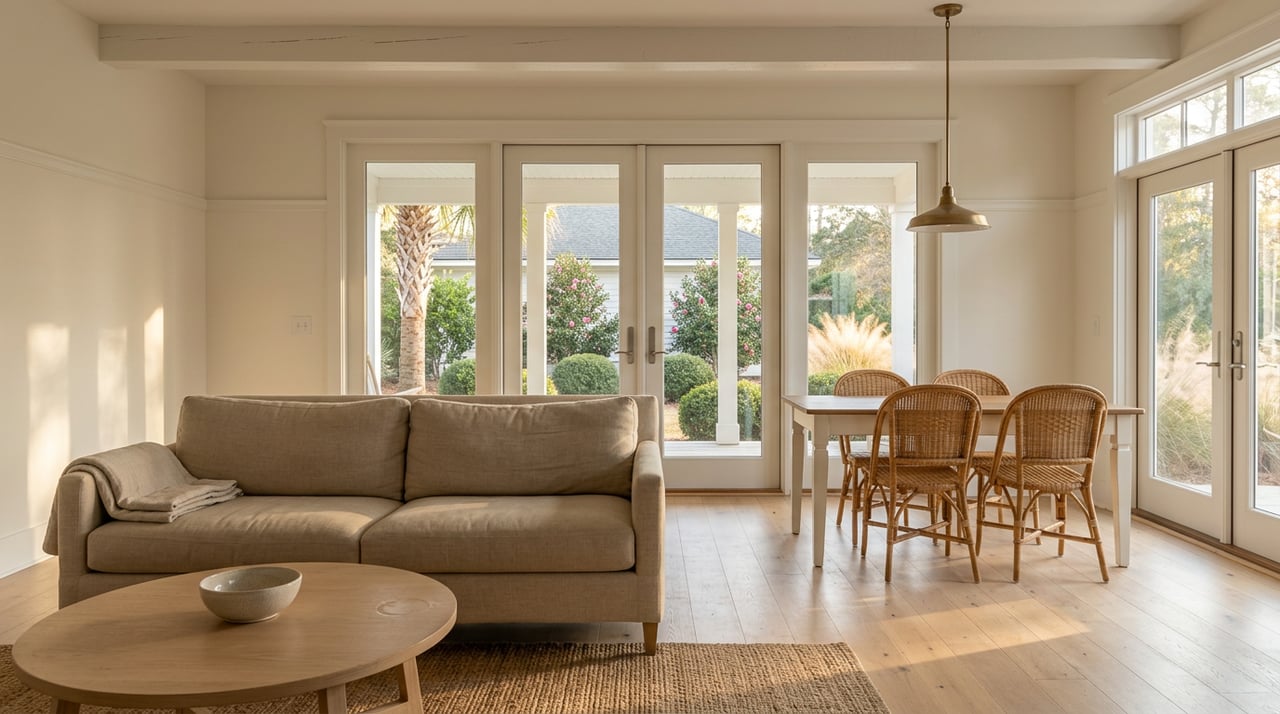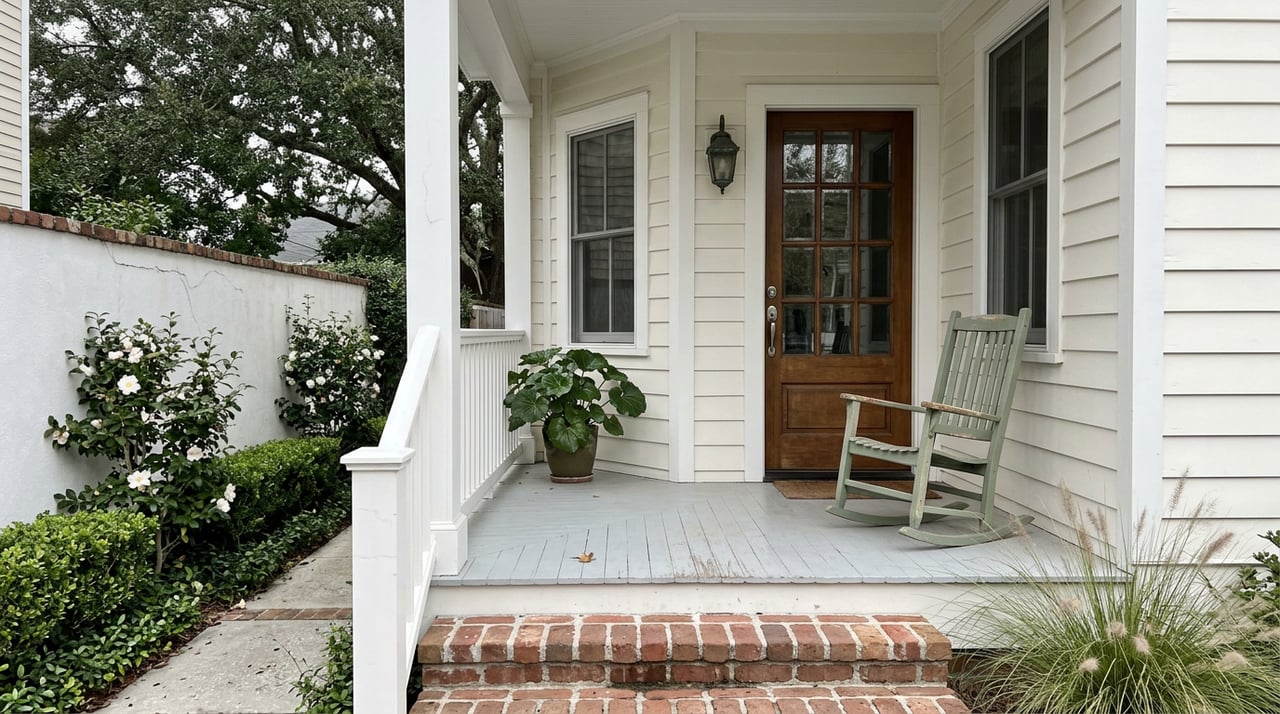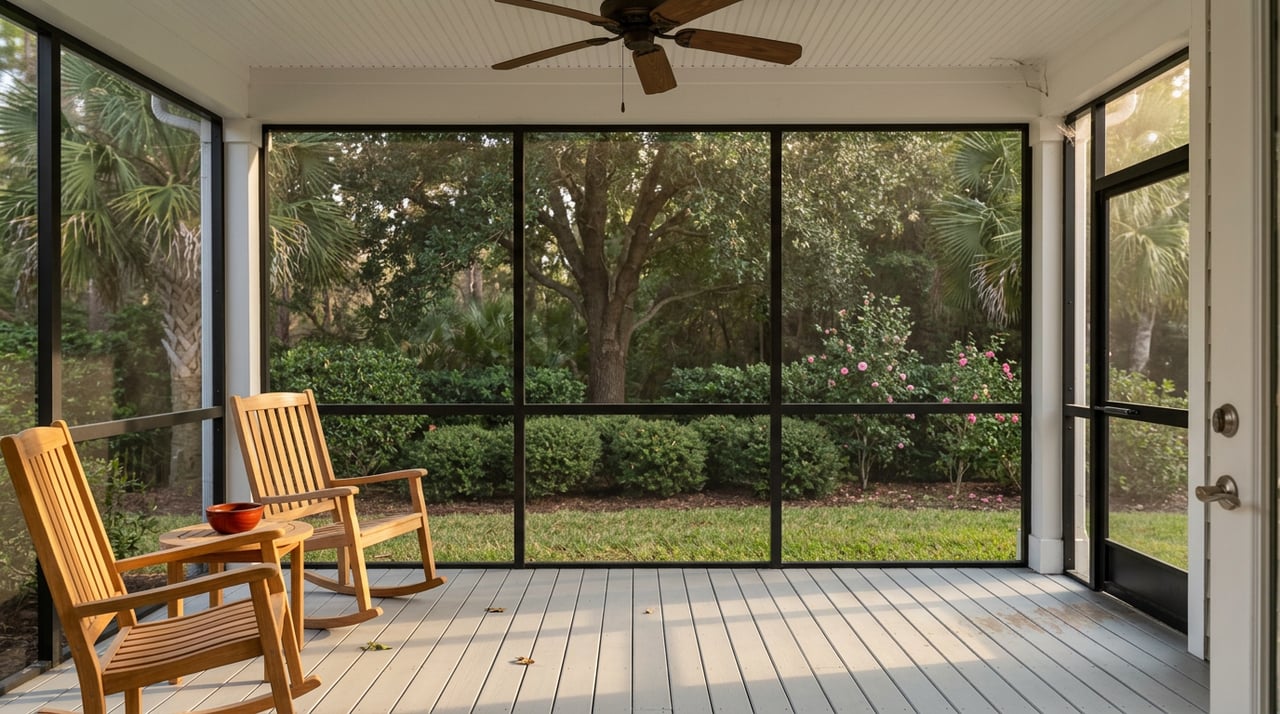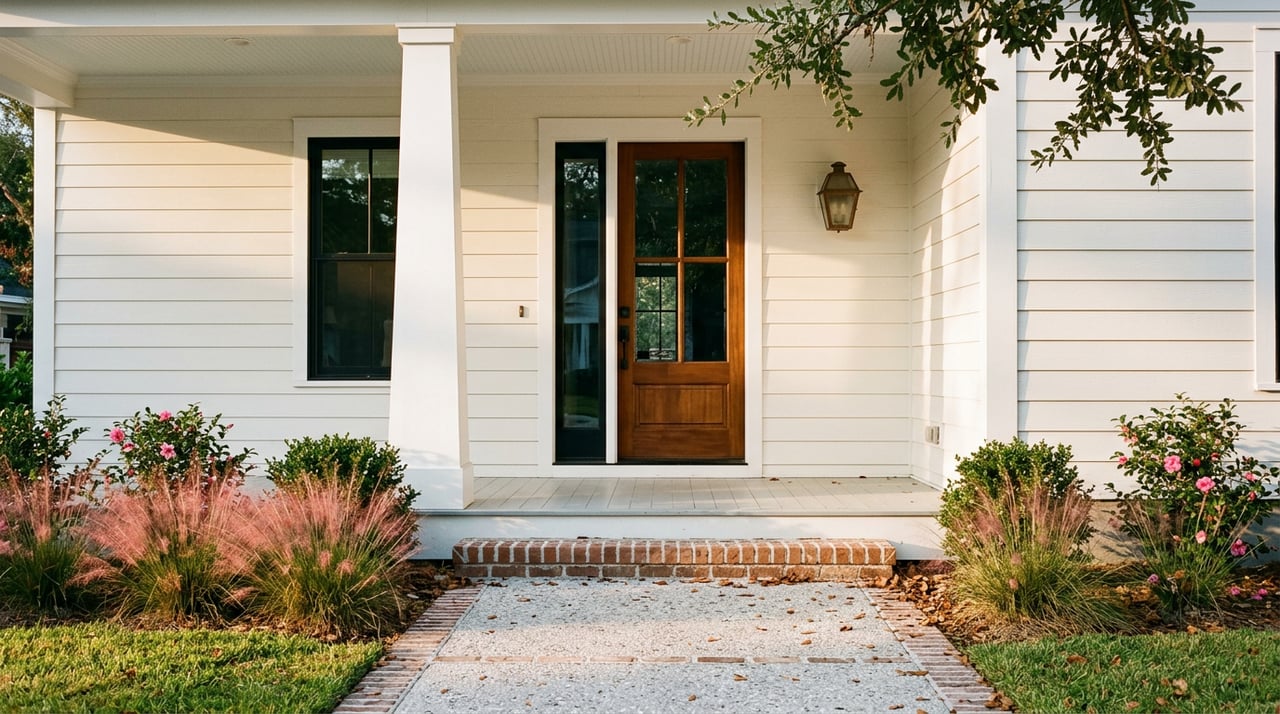
Thinking about downsizing in Beaufort? A smaller home can absolutely simplify your life, but in the Lowcountry, “low-maintenance” means more than fewer rooms and less yard work. You also need to think about flood exposure, insurance, taxes, HOA coverage, and whether historic charm could come with extra upkeep. If you want a move that feels lighter, not more complicated, this guide will help you compare your options and plan your next step with confidence. Let’s dive in.
What Low-Maintenance Means in Beaufort
In Beaufort, a low-maintenance home is not just about square footage. It is also about how much time, money, and effort you will need to put into the property over time.
That matters here because Beaufort County has a higher share of older residents, with 29.6% of residents age 65 or older, and a high owner-occupancy rate of 75.9%, according to the U.S. Census QuickFacts for Beaufort County. Many longtime owners may be in a strong position to use built-up equity for a simpler next home.
At the same time, Beaufort’s coastal setting changes the conversation. The City of Beaufort’s flood awareness information explains that flooding can happen any time of year, with storm surge from hurricanes and tropical storms posing the greatest threat. The city also notes that standard homeowners insurance does not cover flood damage, and flood insurance usually comes with a 30-day waiting period.
Compare Downsizing Options
Not every smaller home will feel easier to own. The best fit depends on how you want to live day to day.
Townhomes and Condos
Townhomes and condos are often the first place downsizers look. They can reduce exterior chores, cut back on yard work, and simplify routine upkeep.
Still, you should look closely at what the HOA actually covers. Ask whether dues include exterior maintenance, landscaping, roof work, insurance items, and common area upkeep. You will also want to review rules around pets, rentals, parking, and storage before you buy.
In Beaufort, it is also smart to ask about flood zone status, elevation, and insurance requirements. A property may look simple on the surface but still come with carrying costs that affect your long-term budget.
Smaller Single-Family Homes
A smaller detached home can be a strong middle-ground option. You may keep more privacy and a small yard while still reducing the workload that came with a larger home.
This choice often works well if you are not ready for shared walls or condo-style living. The tradeoff is that you may still be responsible for exterior maintenance, lawn care, and repairs, so it is important to compare the true ownership burden, not just the home size.
Historic Cottages and Downtown Homes
Beaufort’s historic homes have obvious appeal. You may love the character, established setting, and proximity to downtown.
But charm and simplicity are not always the same thing. The City of Beaufort Historic District Review Board reviews demolition, new construction, additions, rehabilitation, renovation, and restoration within the Beaufort National Historic Landmark District. If you plan to change windows, roofing, porches, siding, or expand later, the review process may affect your timeline and costs.
Newer Planned Communities
Newer planned communities can be attractive if you want newer systems, smaller lots, and more predictable upkeep. In many cases, the appeal is less about the purchase price and more about having fewer surprise repairs in the near term.
That said, newer does not always mean lower total cost. Be sure to compare HOA dues, insurance, flood exposure, and exactly which exterior tasks the association handles.
Know Your Must-Haves Before Touring
Downsizing goes more smoothly when you define your non-negotiables early. That keeps you from falling in love with a home that does not actually make daily life easier.
Before you start touring homes in Beaufort, clarify these points:
- Whether you want one-level living or are comfortable with stairs
- How much yard work you still want to handle
- Whether you are comfortable with an HOA and what it covers
- How much storage, garage space, and guest parking you need
- How close you want to be to downtown Beaufort, groceries, medical care, and family
- Whether you prefer a historic setting, newer construction, or something in between
- The property’s flood zone, elevation certificate, and insurance costs
- Whether the home will be your legal primary residence for tax purposes
One Beaufort-specific point matters here: flood risk is not limited to waterfront homes. The city says that more than 25% of flood insurance claims are for structures outside the 100-year floodplain, according to its flood awareness guidance. That makes elevation, drainage, and insurance worth checking for almost any property you consider.
Look Beyond Price Alone
When you downsize, the sales price is only part of the equation. A home with a lower purchase price can still cost more to own if dues, insurance, taxes, or maintenance are higher than expected.
Beaufort-area pricing also varies by submarket, so it helps to compare carefully rather than relying on one broad number. Redfin’s Beaufort housing market data reported a median sale price of $485,000 in March 2026, with homes selling in a median of 46 days and a sale-to-list ratio of 96.9%.
At the ZIP code level, the range is meaningful. Beaufort-Jasper County REALTORS data cited in the research showed January 2026 median sales prices of $424,083 in 29902, $372,500 in 29906, and $521,541 in 29907, with days on market ranging from 92 to 143 and inventory from 82 to 128 homes. That spread is a good reminder that your ideal downsizing option may look very different depending on where in Beaufort you want to be.
Plan for Taxes and Carrying Costs
Property taxes deserve a closer look when you downsize. Your next home may not be taxed the same way as your current one, especially if timing or residency status changes during the move.
According to the Beaufort County Assessor FAQ, primary residences are assessed at 4% of appraised value, while other residential property is assessed at 6%. The same source notes that real estate taxes are due January 15, and reassessment occurs every five years, with the next reassessment scheduled for 2028.
The county also explains that some owners may qualify for tax relief through the state homestead exemption. The South Carolina Department of Revenue guidance referenced by the county says homeowners who are 65 or older, totally and permanently disabled, or legally blind may qualify for a homestead exemption on the first $50,000 of fair market value for a legal residence.
If your downsizing move will involve selling and buying close together, estimate taxes early. That gives you a more accurate monthly cost picture before you commit.
Time the Sale of Your Current Home Carefully
One of the biggest downsizing mistakes is treating the sale of your current home like an afterthought. In reality, your timeline can shape everything from pricing strategy to moving logistics to what you feel comfortable buying next.
Current market conditions suggest it is wise to build in flexibility. Redfin’s March 2026 Beaufort market snapshot describes the market as somewhat competitive, with a median of 46 days on market. But nearby submarkets can move more slowly, with January 2026 median days on market of 136 in 29902, 92 in 29906, and 143 in 29907, based on the research provided.
That range matters if you are deciding whether to sell first or buy first. There is no one-size-fits-all answer. What matters is building a realistic plan around your home, your finances, and the kind of property you want next.
Focus on Simplicity, Not Just Size
A successful downsizing move should make your life easier in practical ways. Less cleaning, fewer repairs, simpler insurance planning, manageable taxes, and a layout that works for how you live now all matter as much as the number of bedrooms.
In Beaufort, the right low-maintenance home often comes from asking better questions upfront. If you take the time to compare ownership burden, flood considerations, tax treatment, and long-term upkeep, you will be in a much better position to choose a home that truly supports your next chapter.
If you are weighing your options in Beaufort and want a steady, personalized plan for selling, buying, or both, connect with Michele Niles to schedule a white-glove consultation.
FAQs
Is a townhome in Beaufort really less work than a smaller house?
- Often yes, but it depends on what the HOA covers, the dues, insurance needs, and whether exterior maintenance is truly handled by the association.
Are historic Beaufort homes considered low-maintenance?
- Not always. Historic homes may offer character and location benefits, but updates or exterior changes may be subject to review in the Beaufort National Historic Landmark District.
Do Beaufort buyers need to think about flood insurance if the home is not on the water?
- Yes. The City of Beaufort says more than 25% of flood insurance claims are for structures outside the 100-year floodplain, so flood risk is worth reviewing for many properties.
Will property taxes change when downsizing in Beaufort?
- They can. Beaufort County taxes primary residences at 4% of appraised value and other residential property at 6%, so your legal residency status can affect your tax bill.
Should Beaufort homeowners sell first or buy first when downsizing?
- It depends on your finances, your timing, and how quickly your current home is likely to sell in your specific Beaufort submarket.