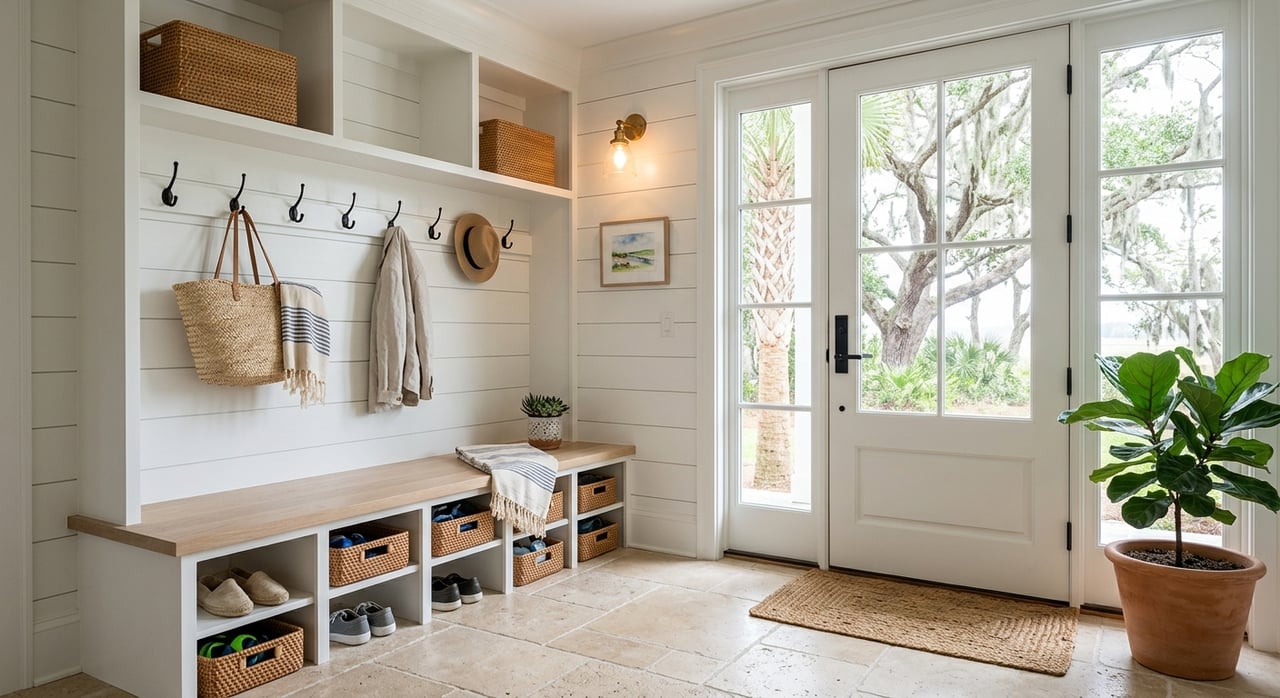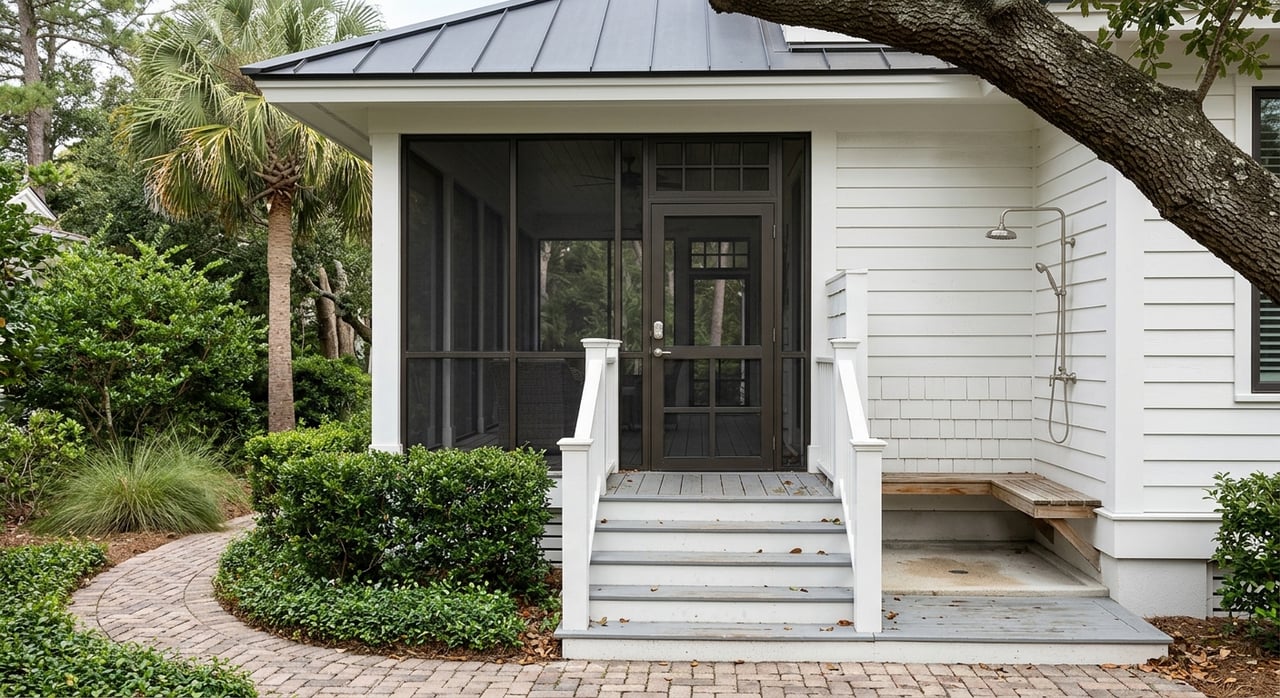
Thinking about buying a vacation rental on Hilton Head Island? It can be an exciting way to enjoy the coast while creating income potential, but it also comes with more rules and moving parts than many buyers expect. If you are planning to use a home for personal getaways and short-term rentals, you need a clear picture of permits, taxes, parking, guest expectations, and ongoing management before you buy. Let’s dive in.
Why Hilton Head vacation rentals require planning
A vacation rental on Hilton Head Island is not just a second home you rent out now and then. Based on the town’s rules, it should be treated more like a regulated hospitality property with personal-use benefits.
That distinction matters because your purchase decision should go beyond bedrooms, finishes, and beach distance. You also need to know whether the property can meet town requirements, fit any community rules, and support the kind of guest experience you want to offer.
Start with short-term rental rules
On Hilton Head Island, short-term rental rules apply to privately owned residential properties rented for fewer than 30 days. That includes condos, villas, and single-family homes, but it does not include hotels or timeshares.
Each short-term rental property needs its own permit. That permit is separate from the annual Town business license, and it currently runs from May 1 through April 30.
The town states that the permit is non-transferable, non-refundable, and costs $250 per property each year. If you are evaluating multiple properties, that is one more reason to review operating costs early instead of after you are under contract.
Ownership structure matters
The town’s current materials say the short-term rental permit must be issued to a person rather than a business entity such as an LLC. If you are thinking about how you want to hold title, this is an important detail to verify before closing.
You should also check whether the neighborhood or HOA allows short-term rentals. If an HOA is involved, the owner may need to provide a letter showing the property is approved for that use.
Single-family homes need site details
If you are buying a single-family home, the permit application requires a site plan. The town says it does not need to be a formal survey, but it does need to show trash storage, parking on improved surfaces, and up to six designated parking spaces that measure 9 by 18 feet.
The permit number must also appear in advertisements. That may sound like a small detail, but it shows how closely operations and compliance are tied together.
Evaluate the property beyond curb appeal
A home can look ideal online and still be a poor fit for a vacation rental strategy. If the ownership structure, HOA documents, parking layout, or trash storage setup do not work with local rules, your plan may hit a wall.
This is especially important if you want a mixed-use property for personal enjoyment and income. A smart purchase starts with the question, Can this property actually function as a legal and manageable short-term rental?
Understand licenses and taxes before you model income
Many buyers focus first on gross rental projections. A better approach is to understand the licensing and tax workflow first, then build your income model around it.
The Town of Hilton Head Island requires businesses operating within town limits, including property rentals, to have a business license. The license year runs from May 1 to April 30, and renewals are due by April 30.
The town says the tax is calculated on gross revenue reported on the prior year’s federal return. That means your future licensing costs can be connected to your actual rental performance.
Hilton Head local accommodations taxes
Hilton Head Island also assesses a 3% charge on transient lodging. The town breaks that into a 1% accommodations tax and a 2% beach preservation fee.
For buyers, that means your net income is not just about nightly rate and occupancy. You need to understand what is collected, what is remitted, and who is responsible for each part of the process.
South Carolina tax rules can affect your plan
South Carolina’s Department of Revenue says accommodations rented for fewer than 90 consecutive days are subject to state tax. It also states that direct bookers need a Retail License to file and pay accommodations tax.
If the property is rented only through a property management company or an online travel company that reserves the stay and accepts payment, that company is responsible for remitting the tax on those bookings. This is why it is so important to model cash flow by booking channel, not just by your calendar.
Longer stays still need a closer look
If your plan includes both short stays and longer furnished stays, pay attention to how the rules overlap. The town’s short-term rental ordinance applies to stays under 30 days, while the state accommodations tax framework applies to stays under 90 days.
That difference can affect how you plan pricing, booking strategy, and operations. Conservative underwriting is usually the smarter move.
Guest rules shape the ownership experience
Owning a vacation rental on Hilton Head Island is hands-on, even if you hire help. The town’s nuisance hotline is specifically for parking, trash, and noise complaints, and the owner or short-term rental agent must be reachable by phone at all times.
The town also requires responsive action within one hour of a complaint. For many buyers, that is the clearest sign that this is not passive ownership.
Quiet hours, parking, and trash are serious
The town’s visitor guidance lists quiet hours from 10 p.m. to 7 a.m. Guests must park only in designated spaces and should not park on grass, pine straw, or off-site on the street.
Those rules can directly affect your reviews, your relationship with the surrounding community, and your ability to run the property smoothly. Before you buy, make sure the home has practical parking and a clear trash setup.
Beach access is part of the operating model
On Hilton Head Island, beach proximity is only part of the story. The town says all beach is public from the ocean to the high-water mark, but access points are often private.
That means walkability and access logistics can matter as much as how close the home sits to the shoreline. A property that looks close on a map may still be less convenient for guests than expected.
Parking can affect guest satisfaction
Public beach parking is generally paid for visitors except at Coligny Beach Park. The town also states that residents with valid beach parking permits can park free at designated town beach lots, but properties used as short-term rentals are not eligible for resident beach parking passes.
Improper parking can lead to citations, towing, and fines. If guests will need to drive to the beach, your instructions and the home’s location become part of the rental experience.
Beach rules matter too
Hilton Head has detailed beach regulations that affect guests. The town prohibits alcohol, glass, holes deeper than 12 inches, overnight beach belongings, fires, fireworks, and harm to beach wildlife or dunes.
Guests are also required to fill any holes before leaving the beach. Clear house guidance on these rules can help protect both guest experience and property operations.
Safety and storm prep belong in your budget
When you buy a vacation rental, your budget should include more than mortgage, insurance, and furnishings. Hilton Head’s short-term rental fire-safety checklist includes smoke alarms, carbon monoxide alarms, fire extinguishers, and escape routes.
For homes that are 3,600 square feet or larger, the town requires either a compliant fire suppression system or an approved monitored fire safety system with siren coverage throughout the home. External propane grills must also have a 60-minute shutoff valve.
Pools and hot tubs add responsibility
The town expects owners to disclose whether a pool or hot tub is available and identify the safety measures in place. If a property has these features, they can support guest appeal, but they also add cost and oversight.
Maintenance, safety equipment, and periodic inspections should all be part of your planning from day one.
Flood and hurricane readiness matter
Hilton Head Island is a barrier island with low-lying, flood-prone areas. The town advises owners to check flood zones, review insurance policies, know evacuation routes, document the home and its contents, and prepare before hurricane season.
The town’s hurricane guidance also recommends securing loose items, checking roofs and windows, reviewing insurance, and knowing where utility shutoffs are located. For a vacation rental owner, those are not optional habits. They are part of responsible ownership.
Decide how you will manage the property
Because the owner or agent must be available during the rental period and respond quickly to issues, management should be part of your buying decision. If you live far away or want limited day-to-day involvement, local support can make a big difference.
That may mean working with a local property manager or setting up a reliable co-host or agent structure. It can also affect who handles guest communication, maintenance coordination, and tax remittance for certain bookings.
A smart buyer checklist for Hilton Head
Before you move forward on a Hilton Head Island vacation rental, make sure you can answer these questions clearly:
- Is the property eligible for short-term rental use under town rules?
- Does the HOA or regime allow short-term rentals?
- Can the property meet parking and trash-storage requirements?
- Who will hold the permit, and does the ownership structure fit town rules?
- What licenses and taxes apply based on your booking strategy?
- Who will be reachable 24/7 if a complaint comes in?
- Are beach access and beach parking practical for guests?
- Does the home need added fire-safety equipment or storm-prep upgrades?
- Are there any community-specific rules for occupancy, pools, hot tubs, or shared amenities?
A little extra due diligence upfront can help you avoid buying a property that looks great in photos but does not work well in real life.
If you are weighing a second home, a coastal getaway, or a property with income potential, the right guidance can help you look past the highlights and focus on the details that truly matter. For tailored support as you explore Hilton Head Island opportunities, schedule a white-glove consultation with Michele Niles.
FAQs
What permits does a Hilton Head Island vacation rental need?
- A short-term rental property needs its own town short-term rental permit, and that permit is separate from the annual Town business license.
What counts as a short-term rental on Hilton Head Island?
- On Hilton Head Island, a privately owned residential property rented for fewer than 30 days, including condos, villas, and single-family homes, is treated as a short-term rental.
What taxes apply to a Hilton Head Island vacation rental?
- The town assesses a 3% charge on transient lodging, made up of a 1% accommodations tax and 2% beach preservation fee, and South Carolina applies state tax rules to accommodations rented for fewer than 90 consecutive days.
What should buyers verify with an HOA for a Hilton Head Island vacation rental?
- You should confirm the community allows short-term rentals and whether any approval letter, parking limit, occupancy rule, or amenity policy could affect operations.
What guest rules matter most for a Hilton Head Island short-term rental?
- Parking, trash, noise response, quiet hours, and beach rules all matter because the town enforces these issues and expects owners or agents to respond quickly.
Does a Hilton Head Island vacation rental qualify for a resident beach parking pass?
- No. The town states that properties used as short-term rentals are not eligible for resident beach parking passes.
What safety items should buyers check for a Hilton Head Island vacation rental?
- Buyers should review smoke alarms, carbon monoxide alarms, fire extinguishers, escape routes, grill shutoff requirements, and any added fire-safety standards for larger homes.
Why is local management important for a Hilton Head Island vacation rental?
- The town requires the owner or short-term rental agent to be reachable by phone at all times and take responsive action within one hour of a complaint, which can be hard to manage from out of town.